Top Family Apartment Hotels United States: Extended-Stay Guide
The contemporary landscape of American domestic travel has undergone a structural transformation away from cramped, transient lodging formats toward high-utility, space-oriented environments. Historically, family travel across the United States relied on standard hotel configurations—typically offering roughly three hundred square feet of combined sleeping and living space. This traditional model frequently generated psychological friction during extended itineraries, compressing multiple generations or parents and children into rigid, highly localized perimeters. As multi-generational travel patterns evolved, remote work became institutionalized, and expectations regarding domestic autonomy shifted, travelers began seeking accommodations that replicate the functional partitioning of a permanent residence without sacrificing professional hospitality infrastructure.
Analyzing this operational shift requires looking past glossy promotional photography and surface-level convenience metrics. Evaluating the assets categorized as the top family apartment hotels united states demands a rigorous examination of architectural design, zoning constraints, life-safety compliance, and long-term asset management. Consequently, understanding this sector requires an exhaustive framework that unpacks structural typologies, operational friction points, and financial resource dynamics.
Furthermore, the rapid growth of this lodging segment reflects deeper macroeconomic pressures within American real estate development. High construction costs, shifting municipal land-use policies, and changing consumer demand profiles have forced developers to rethink how urban and suburban spaces are utilized. Properties that successfully bridge the gap between apartment-style autonomy and full-service hotel support represent a permanent evolution in how transient populations occupy American metropolitan and leisure corridors.
Understanding “Top Family Apartment Hotels United States”
Semantic Ambiguity and Typological Overlap
Evaluating the phrase top family apartment hotels united states reveals profound semantic overlap and structural ambiguity across the hospitality industry. Market participants frequently interchange terms like aparthotels, extended-stay suites, serviced apartments, and residential-style resort flats. This generalized nomenclature masks vast differences in floor-plate efficiency, zoning classifications, and mandatory service levels. A property marketed as an apartment hotel in an urban core may operate under strict commercial zoning with limited-service housekeeping. Conversely, a suburban resort configuration may function as a condotel, where individual units are privately owned and placed into a centralized rental pool. Consequently, evaluators must inspect micro-level operational variables, including structural kitchen specifications, independent HVAC zoning, and multi-room acoustic partitioning.
Operational Trade-Offs and Architectural Limitations
True operational excellence in family-oriented apartment hotels requires balancing domestic comfort against commercial durability. Unlike standard residential apartments designed for long-term leases, these hybrid assets must withstand high guest turnover, intensive daily wear, and rigorous public health sanitation protocols. Therefore, surfaces must utilize commercial-grade, impact-resistant materials while maintaining an approachable, non-institutional aesthetic. Furthermore, developers must navigate complex municipal regulations regarding short-term rentals, building egress codes, and life-safety systems. Misjudging these architectural constraints often leads to chronic maintenance liabilities, regulatory non-compliance, and compromised guest experiences during peak occupancy cycles.
Deep Contextual Background
The historical development of extended-stay and apartment-style lodging in the United States emerged primarily from corporate housing demands and relocation pipelines rather than leisure tourism. During the late twentieth century, commercial developers identified a distinct market gap for professionals displaced by corporate restructuring, long-term project assignments, or military relocations. Early iterations prioritized utilitarian efficiency over aesthetic sophistication, featuring basic kitchenettes, modular furniture, and sparse communal amenities designed strictly for functional utility.
As demographic shifts accelerated into the twenty-first century, leisure travelers and multi-generational family groups began co-opting these extended-stay assets to bypass the spatial limitations of traditional hotels. Hospitality conglomerates responded by developing segmented brand architectures, introducing upper-upscale and luxury aparthotel lines equipped with gourmet kitchens, in-suite laundry facilities, and multi-bedroom configurations. This evolution transformed apartment hotels from purely functional corporate housing into sophisticated lifestyle assets capable of capturing high-spending family cohorts seeking long-term comfort during extended vacations.
Conceptual Frameworks and Mental Models
Successfully evaluating and classifying top-tier vertical family lodging assets requires deploying rigorous analytical frameworks.
1. The Spatial Autonomy and Acoustic Isolation Index
This mental model measures the physical independence of individual rooms within a suite. It evaluates whether sleeping quarters are acoustically decoupled from primary living and kitchen areas, allowing different family members to maintain disparate schedules without mutual disruption.
2. The Operational Friction Versus Domestic Fluidity Model
High-density family travel introduces friction points regarding meal preparation, laundry management, and storage. This model calculates how effectively an apartment hotel’s in-suite infrastructure eliminates daily administrative chores compared to standard hotel environments.
3. The Lifecycle Durability and Maintenance Resilience Matrix
Because family-centric properties experience accelerated wear from children and extended stays, this framework assesses the balance between high-end residential styling and commercial-grade structural resilience.
Key Categories and Variations
The landscape of family-focused apartment hotels across the United States comprises several distinct structural and operational archetypes.
| Property Category | Structural Architecture | Primary Architectural Focus | Operational Trade-off |
| Urban Aparthotels | High-density reinforced concrete core | Centrally located multi-room suites; dense footprints | Limited outdoor space; complex urban parking logistics |
| Suburban Extended-Stay Suites | Low-rise wood-frame or composite construction | Expansive suite layouts; outdoor courtyards; parking | Lower architectural prestige; regional access dependence |
| Resort-Style Condotels | Mixed structural steel and concrete framing | Integrated resort amenities; multi-bedroom villas | Complex HOA governance; variable unit interior standards |
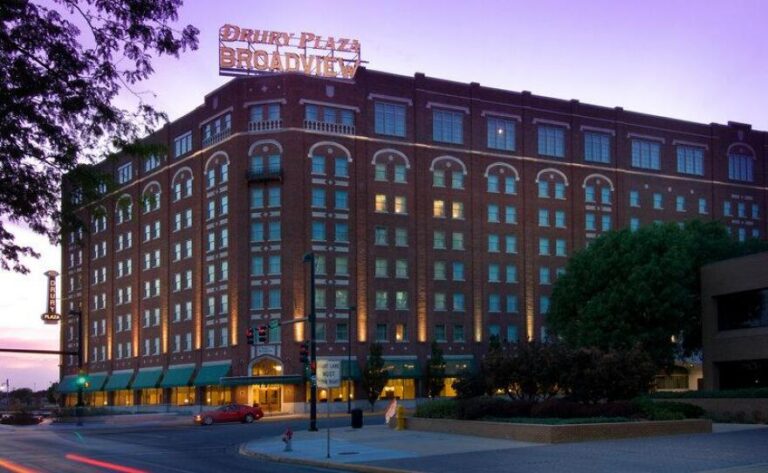
| Historic Adaptive Reuse Conversions | Heavy masonry and exposed structural steel | Unique architectural character; oversized floor plates | Strict historic preservation rules; high retrofit costs |
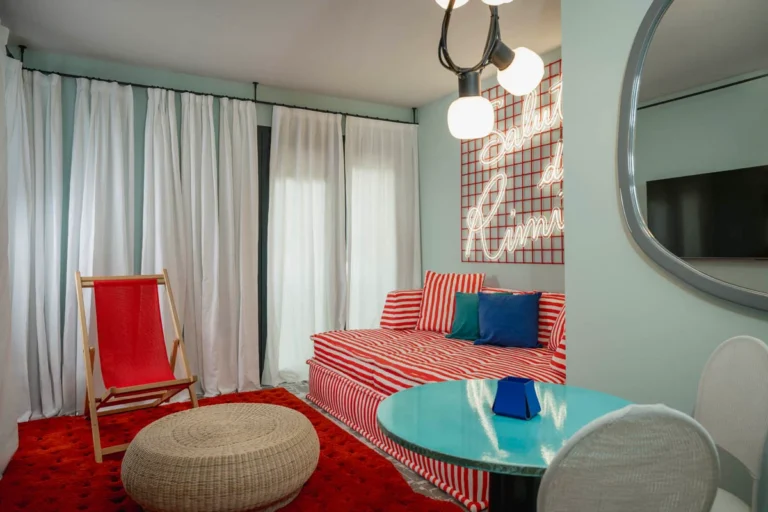
| Boutique Serviced Apartments | Low-rise boutique steel and masonry | Highly customized design; intimate scale; curated service | Higher nightly tariffs; limited inventory flexibility |
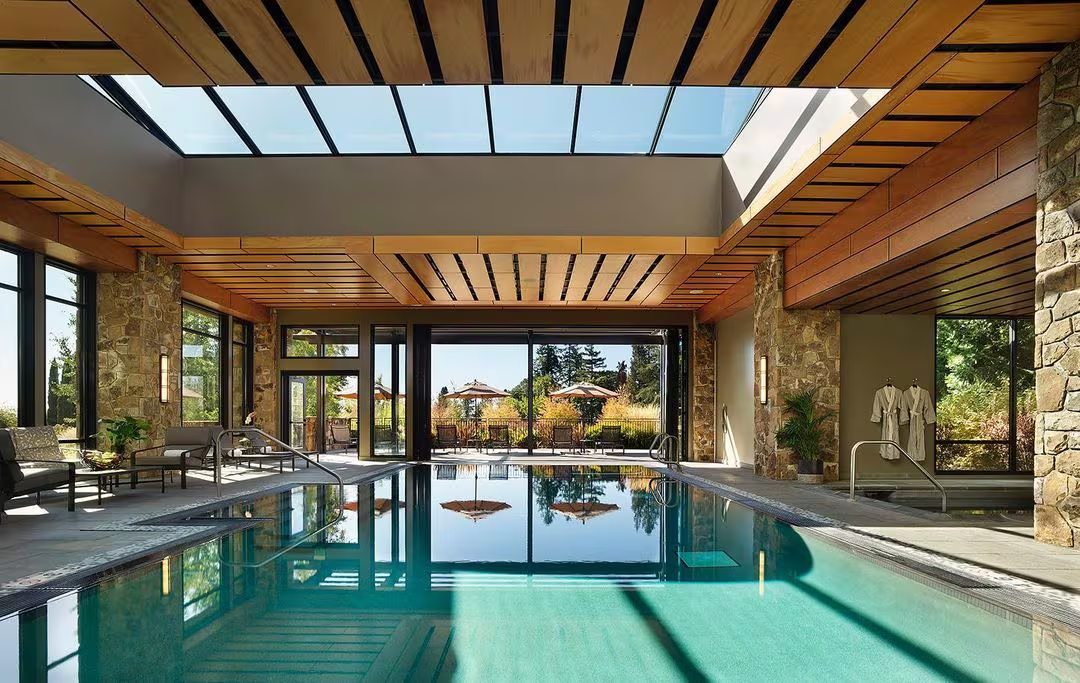
| Destination Water-Park Suites | Heavy commercial concrete and steel framing | Integrated leisure infrastructure; family entertainment | High mechanical maintenance; seasonal demand spikes |
Realistic Decision Logic
When family travel coordinators or institutional asset managers evaluate options among top family apartment hotels united states, selecting an appropriate property requires aligning architectural categories with trip objectives. For urban tourism itineraries in dense metropolitan cores, prioritizing properties with robust transit connectivity, multi-room acoustic insulation, and in-suite laundry is paramount. Conversely, for extended leisure stays in regional or resort markets, selecting properties featuring secure outdoor recreational courtyards, full-size kitchen appliances, and flexible multi-bedroom configurations mitigates daily friction. Therefore, planners must weigh these structural trade-offs against regional environmental constraints and family demographic profiles.
Detailed Real-World Scenarios
1. The Multi-Generational Acoustic Conflict
A three-generation family group occupies a standard two-bedroom extended-stay suite during a week-long reunion. Inadequate acoustic insulation between the primary living room and the secondary sleeping quarters causes early-morning routines of younger children to disrupt the rest of elderly relatives. This scenario illustrates the absolute necessity of rigorous wall-assembly ratings and staggered bedroom layouts.
2. The In-Suite Kitchen Capacity Failure
A family attempting to prepare independent meals during an extended stay discovers that the property’s kitchenette lacks full-sized refrigeration, proper ventilation hoods, and adequate counter space. Consequently, grease smoke triggers sensitive smoke detectors, forcing reliance on external dining and undermining the economic utility of the apartment format.
3. The On-Site Laundry Bottleneck
A large family staying at a mid-tier aparthotel discovers that the property provides only a single shared laundry facility located in the basement for an eighty-unit building. Peak evening demand creates multi-hour wait times, disrupting evening schedules and demonstrating the operational superiority of in-suite washer-dryer installations.
4. The HVAC Thermal Stratification Disruption
An open-concept multi-room suite in a coastal aparthotel features a single centralized HVAC terminal for an expansive living and sleeping zone. Solar heat gain through western-facing glass walls overheats the children’s bedroom while leaving the main living area chilled, exposing the failure of unzoned climate distribution.
Planning, Cost, and Resource Dynamics
The economic viability and operational execution of extended-stay family assets depend on balancing capital-intensive construction standards against long-term operational efficiency.
-
Direct Capital Outlays: Equipping multi-room suites with durable full-sized kitchen appliances, commercial-grade plumbing, and resilient luxury vinyl flooring requires significantly higher initial capital expenditure than outfitting standard transient hotel rooms.
-
Operational and Carrying Overhead: Although extended-stay models benefit from reduced daily housekeeping frequencies and lower guest turnover velocity, maintenance costs for mechanical kitchen systems and in-suite laundry units remain elevated.
-
Opportunity Costs: Failing to provision flexible interconnecting door configurations limits a property’s ability to capture high-value multi-generational family bookings during peak seasonal windows.
| Cost Dimension | Standard Transient Hotel Room | Traditional Residential Apartment | Family Apartment Hotel Suite |
| Initial Fit-Out Capital | Low (modular beds, minimal millwork) | High (custom residential finishes) | Moderate-High (commercial durability, residential styling) |
| Housekeeping Labor Model | Daily turnover cleaning required | Tenant-managed ongoing upkeep | Periodic servicing model (bi-weekly or on-demand) |
| Kitchen Infrastructure | None or basic mini-fridge and microwave | Full residential kitchen suite | Full-size or optimized functional kitchen appliances |
| Revenue Stability Profile | Highly volatile, seasonal sensitivity | Long-term lease dependency | Stabilized blend of weekly and transient occupancy |
Tools, Strategies, and Support Systems
Executing successful family-oriented apartment hotel developments requires integrating specialized operational and property management technologies.
-
Property Management Systems (PMS) with Extended-Stay Functionality: Advanced software platforms capable of managing complex billing structures, recurring cleaning schedules, and long-stay guest accounts.
-
Digital Key and Mobile Access Portals: Smartphone-integrated entry systems that simplify multi-user access for families traveling with children and extended groups.
-
Automated Preventive Maintenance Tracking Software: Digital tools that schedule routine inspections of in-suite dishwasher pumps, HVAC filters, and plumbing fixtures to prevent premature failure.
-
High-Volume Commercial Commercial Laundry Telemetry: Monitoring systems that track the operational status and cycle completion times of shared or in-suite laundry installations.
-
Intelligent Energy Management Thermostats: Smart climate controls that reduce utility waste when suites are unoccupied during family daytime excursions.
-
Integrated Guest Communication Apps: Digital concierge platforms allowing families to request extra linens, report maintenance issues, or book local family-friendly activities instantly.
Risk Landscape and Failure Modes
Operating high-density family apartment assets introduces unique operational vulnerabilities that can compromise structural integrity and brand reputation if unmitigated.
-
Intensive Wear-and-Tear Degradation: High guest turnover combined with children’s active play accelerates aesthetic and structural damage to cabinetry, upholstery, and wall finishes.
-
Kitchen-Induced Fire and Smoke Hazards: Unmonitored cooking in compact suite kitchens can trigger building-wide fire alarms, leading to unnecessary evacuations and guest dissatisfaction.
-
Water Damage and Plumbing Infiltration: Overflowing dishwashers, washing machines, or kitchen sinks in upper-level suites can cause catastrophic vertical water damage across multiple floors.
-
Acoustic Compliance Failures: Inadequate floor-ceiling and inter-suite soundproofing generates chronic noise complaints between adjacent family groups.
-
Regulatory and Zoning Non-Compliance: Navigating strict municipal laws regarding short-term rentals and transient occupancy taxes in residential zones.
Governance, Maintenance, and Long-Term Adaptation
Maintaining elite structural standards across family apartment hotel portfolios requires continuous administrative oversight and structured maintenance protocols.
-
Scheduled Deep-Clean and Turnover Protocols: Systematic multi-point inspection and sanitization routines executed between extended family stays to address hidden wear.
-
Quarterly Mechanical and Appliance Audits: Preventive testing of all kitchen appliances, plumbing drainage lines, and HVAC air-handling units.
-
The Layered Operational Checklist:
-
Appliance and Kitchen Verification: Test all stove burners, refrigerator seals, dishwasher drainage cycles, and microwave operability.
-
Safety and Egress Inspection: Verify that smoke detectors, window restriction latches, and balcony safety railings meet strict child-safety codes.
-
Acoustic and Sealant Audit: Check door sweep seals, window gaskets, and wall junctions to maintain inter-suite soundproofing integrity.
-
Surface and Flooring Durability Review: Inspect high-traffic flooring, upholstery stains, and millwork corners for accelerated degradation.
-
Measurement, Tracking, and Evaluation
-
Leading Indicators: Preventive maintenance ticket completion velocity, housekeeping inspection scores, and pre-arrival family preference survey metrics serve as early quality signals.
-
Lagging Indicators: Repeat guest booking percentages, average length of stay duration, and maintenance-related compensation payouts measure long-term asset health.
-
Documentation Standards: Maintaining a comprehensive digital audit trail tracking appliance warranties, renovation history, and cyclical maintenance logs.
-
Benchmarking Analysis: Regularly comparing operating margins, utility consumption per occupied room, and guest satisfaction ratings against extended-stay industry benchmarks.
Common Misconceptions and Oversimplifications
-
“Any standard hotel room with a microwave and mini-fridge qualifies as a family apartment hotel.” True apartment hotels require distinct multi-room floor plans, separate living zones, and fully equipped kitchens rather than minor beverage stations.
-
“Extended-stay family properties require the exact same daily housekeeping model as luxury resorts.” Operating models rely on periodic or on-demand servicing to balance labor efficiency with guest privacy during long stays.
-
“Kitchen facilities in aparthotels are rarely utilized by traveling families.” Research and guest feedback demonstrate that built-in kitchens are primary selection drivers, significantly reducing trip costs for families staying multiple nights.
-
“Apartment-grade furniture performs adequately under high-turnover hotel conditions.” Commercial durability standards are mandatory; residential-grade furniture degrades rapidly under heavy family use and frequent cleaning cycles.
-
“Family apartment hotels are exclusively designed for long-term corporate relocations.” Modern demand spans a hybrid mix of blended travel, multi-generational leisure vacations, and temporary project-based stays.
-
“Acoustic insulation requirements are identical between traditional hotels and apartment hotels.” Because family suites feature active living and dining spaces, acoustic decoupling between rooms must be substantially more rigorous.
Ethical, Practical, and Contextual Considerations
Operating family-focused apartment hotels carries profound responsibilities regarding physical safety, accessibility, and community integration. Universal accessibility principles—such as providing zero-threshold showers, accessible kitchen countertops, and visual notification systems for hearing-impaired guests—ensure that multi-generational families including elderly or disabled members can navigate spaces comfortably. Furthermore, properties must respect local urban environments by managing parking congestion, waste disposal logistics, and municipal noise ordinances. Maintaining absolute transparency regarding fee structures, resort charges, and cancellation policies builds enduring trust across the family travel sector.
Conclusion
The structural evolution of family-oriented lodging reflects a permanent shift toward functional autonomy, spatial efficiency, and experiential comfort in American travel. By synthesizing commercial hospitality infrastructure with residential interior design, the properties celebrated among top family apartment hotels united states provide a resilient blueprint for modern domestic tourism and extended-stay living. Success in this domain requires moving past promotional marketing imagery to master durable architectural planning, acoustic isolation, advanced kitchen provisioning, and rigorous property governance.