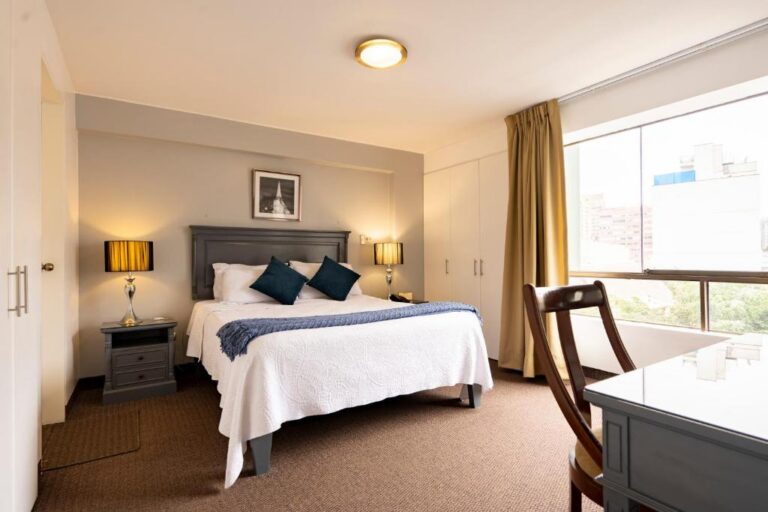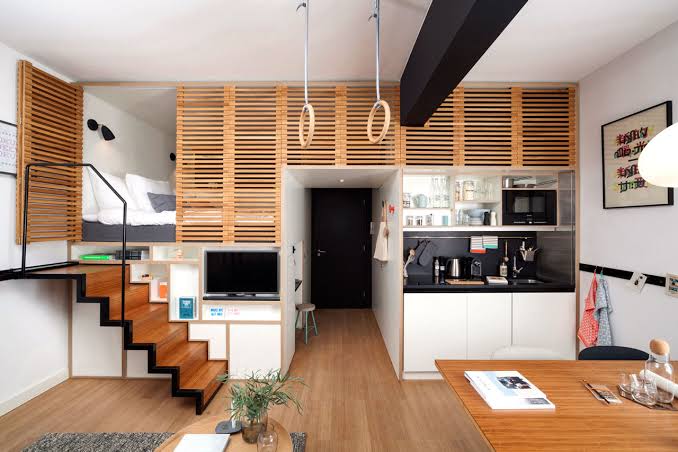
Apartment Hotel Ideas: A Master Guide to Hybrid Hospitality Design
The contemporary real estate landscape is witnessing a structural convergence between residential permanence and transient hospitality. As urban mobility accelerates and professional project-based deployments expand, traditional lodging typologies increasingly fail to address the nuances of extended stays. Travelers and residents alike demand spaces that synthesize domestic autonomy with institutional service reliability. Consequently, exploring innovative apartment hotel ideas has become a critical endeavor for real estate developers, interior architects, and hospitality operators seeking to capture shifting market demands.
Designing these hybrid spaces requires moving far beyond superficial aesthetic choices or generic floor-plan expansions. It involves a fundamental re-engineering of spatial zoning, mechanical systems, digital infrastructure, and service delivery models. An effective aparthotel must simultaneously function as a high-performance remote office, a restorative domestic refuge, and a secure social environment. Achieving this balance demands rigorous structural planning, careful cost management, and a deep understanding of human behavioral patterns over extended durations.
This article provides an exhaustive, analytical examination of the conceptual frameworks, operational dynamics, and design methodologies shaping the future of hybrid hospitality. By breaking down the asset class into its constituent systemic components, we establish a definitive reference for professionals navigating the complexities of modern multi-family and hospitality real estate development.
Understanding Apartment Hotel Ideas
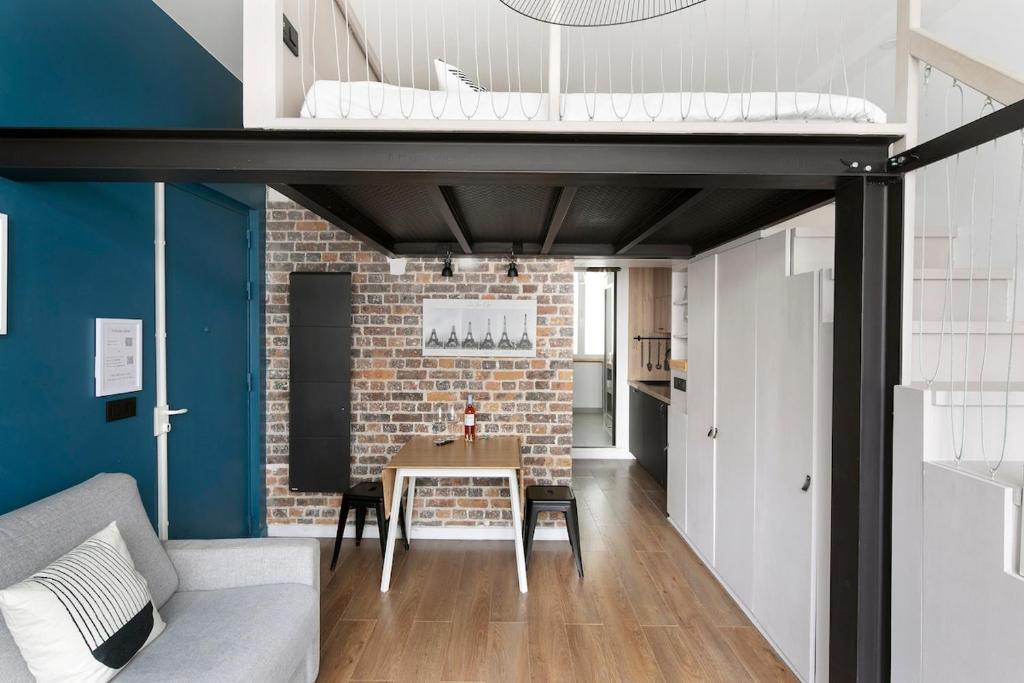
Evaluating various apartment hotel ideas requires navigating significant semantic ambiguity within the real estate and hospitality sectors. Frequently, terms like serviced apartments, aparthotels, extended-stay suites, and corporate housing are used interchangeably, yet they represent fundamentally distinct operational models. A common misunderstanding assumes that simply adding a kitchenette to a standard hotel room fulfills the criteria of a hybrid living asset. However, this oversimplification ignores vital structural variables, such as zoning compliance, acoustic isolation, HVAC zoning, and the integration of commercial-grade back-of-house infrastructure.
True innovation in this space demands an understanding of spatial psychology over time. While a standard hotel room prioritizes transient turnover and sleep efficiency, a hybrid property must account for cognitive fatigue, nutritional self-sufficiency, and localized community building. Therefore, conceptualizing these spaces involves analyzing how physical layout influences human behavior during multi-week or multi-month stays. Misjudging these factors often results in high operational friction, rapid asset degradation, and diminished guest retention.
Deep Contextual Background
Historically, the real estate market maintained a strict bifurcation between residential leasing and short-term hospitality. Residential properties operated on long-term lease structures, requiring tenants to furnish units, establish individual utility accounts, and absorb the liability of multi-month commitments. Conversely, hotels operated on daily tariffs, deliberately stripping away domestic utilities like full kitchens and laundry facilities to maximize nightly room yields and food-and-beverage revenues.
The emergence of the modern extended-stay concept was driven by structural shifts in the global economy. As corporate consulting, cross-market project deployments, and digital nomadism expanded, the intermediate duration tier—ranging from fourteen days to six months—grew exponentially. Neither traditional apartments nor standard hotels could economically service this segment without imposing severe friction on the occupant. Consequently, early operators began retrofitting multi-family assets with hospitality management layers. Over time, this evolved into purpose-built developments designed from the ground up to merge residential square footage with hotel-grade operational support, laying the groundwork for contemporary design and management strategies.
Conceptual Frameworks and Mental Models
Designing and evaluating hybrid properties requires targeted analytical tools that go beyond standard architectural metrics.
1. The Spatial-Cognitive Zoning Model
This framework evaluates interior floor plans based on psychological separation rather than mere square footage. Properties where the sleeping zone, active work desk, and cooking facilities occupy an unbroken line of sight routinely induce cognitive fatigue during long stays. Top-tier design solutions enforce strict micro-zoning, ensuring that work surfaces are visually and acoustically isolated from domestic rest areas.
2. The Operational Friction Matrix
This model measures the administrative and physical hurdles experienced by occupants throughout their stay. Friction points include complex check-in software, confusing climate control interfaces, and poorly integrated network access. Successful asset concepts systematically strip away these barriers, achieving near-zero friction from arrival to departure.
3. The Durability-Aesthetic Equilibrium
Hybrid properties experience heavier wear patterns than traditional hotels due to extended in-room cooking, long-term working, and residential living habits. This mental model dictates that material selection must balance domestic warmth with commercial-grade durability, preventing rapid aesthetic obsolescence.
Key Categories and Operational Variations
The aparthotel market comprises several distinct operational models, each balancing development costs against target demographics.
| Category | Infrastructure Strength | Primary Target Demographic | Operational Trade-off |
| Urban Micro-Aparthotel | High spatial efficiency, integrated smart-tech | Solo digital nomads, short project consultants | Limited communal footprint; high turnover |
| Extended-Stay Flagship | Standardized corporate amenities, robust loyalty | Corporate travel managers, enterprise assignees | Rigid corporate branding; lower local character |
| Boutique Serviced Loft | High design integrity, neighborhood integration | Creative professionals, executive leadership | Higher per-unit build cost; complex servicing |
| Co-Living Hybrid Suite | Shared social kitchens, modular private quarters | Young professionals, community-focused workers | Acoustic spillover risks; intensive community management |
Realistic Decision Logic
Selecting an appropriate development or operational model requires aligning capital expenditure with regional demand profiles. For dense urban cores with high land costs, an Urban Micro-Aparthotel maximizes yield per square foot. Conversely, suburban innovation hubs or secondary markets benefit more from Extended-Stay Flagship typologies, where predictable corporate demand offsets lower local foot traffic.
Detailed Real-World Scenarios
-
The Industrial Tech Deployment: A manufacturing firm deploys a team of twelve engineers for a sixty-day plant overhaul in a regional market. Constraint: Standard hotels lack kitchen facilities, leading to high per-diem costs and dietary fatigue. Decision Point: The developer implements multi-bedroom modular units with shared social spaces. Failure Mode: Inadequate acoustic insulation between workspaces and bedrooms. Second-Order Effect: Team productivity drops due to sleep disruption, leading to delayed project completion.
-
The Urban Creative Hub: An operator converts an aging downtown office building into a hybrid aparthotel. Constraint: Strict historic preservation zoning prevents exterior structural modifications. Decision Point: Internal floor plates are reconfigured using modular, non-load-bearing acoustic partition walls. Failure Mode: Undersized vertical plumbing stacks struggling with high-volume in-unit kitchen and laundry usage. Second-Order Effect: Frequent systemic maintenance disruptions requiring costly retrospective pipe scaling.
Planning, Cost, and Resource Dynamics
The economic viability of hybrid developments depends on managing complex capital outlays and operational cost distributions over the asset lifecycle.
-
Direct Capital Expenditures: Higher initial outlays for in-unit appliances, heavy-duty commercial plumbing, and advanced HVAC zoning compared to traditional hotel assets.
-
Operational Expense Variances: Housekeeping costs are structured differently; turnover cleanings occur less frequently than in traditional hotels, but deep-cleaning cycles require specialized labor due to kitchen grease and extended wear.
-
Opportunity Costs: Sacrificing ground-floor retail space for communal co-working or wellness amenities. While reducing immediate rental income, this inclusion drives higher nightly tariffs and extends average length of stay.
| Cost Dimension | Traditional Hotel Asset | Hybrid Aparthotel Asset |
| In-Unit Fixture CapEx | Low (Beds, baths, minimal millwork) | High (Full kitchens, multi-zone desks, laundry) |
| Average Length of Stay | 2 to 4 days | 14 to 45+ days |
| Turnover Labor Intensity | High frequency, short duration | Low frequency, high duration (deep clean) |
Tools, Strategies, and Support Systems
Executing successful aparthotel concepts requires implementing specialized technological and operational support systems.
-
Property Management Systems (PMS) with Long-Stay Modules: Standard hotel PMS platforms struggle with extended billing cycles, multi-week utility tracking, and staged housekeeping schedules. Operators must deploy systems built specifically for hybrid lease-hospitality structures.
-
Enterprise-Grade Bandwidth Management: Unlike residential routers or basic hotel Wi-Fi, hybrid properties require secure, partitioned VLAN architecture to support remote corporate employees handling sensitive intellectual property.
-
Digital Concierge and Access Control: Mobile key integration paired with automated digital service request portals streamlines maintenance dispatch without relying heavily on physical front desk interactions.
-
Preventative Maintenance Scheduling: Automated asset tracking tools that monitor appliance lifecycles (dishwashers, HVAC filters, laundry units) to prevent mid-stay mechanical failures.
Risk Landscape and Failure Modes
Hybrid properties face unique operational vulnerabilities that can compromise profitability if not actively mitigated.
-
Regulatory Classification Conflicts: Many municipalities maintain strict zoning definitions dividing residential and transient lodging. Misclassifying an aparthotel can trigger severe code violations or residential tenant protection liabilities.
-
The Amenity Undersizing Trap: Developers often miscalculate the square footage required for back-of-house storage, linen management, and waste disposal for extended-stay guests, leading to cluttered corridors and operational bottlenecks.
-
Revenue Management Volatility: Blending long-term contracted corporate blocks with short-term transient bookings requires sophisticated dynamic pricing algorithms to prevent cannibalizing high-yield periods.
Governance, Maintenance, and Long-Term Adaptation
Long-term asset preservation in the hybrid hospitality sector requires continuous administrative oversight and rigorous maintenance protocols.
-
Quarterly Asset Audits: Conducting systematic reviews of high-wear interior elements—such as cabinetry hinges, upholstery fabrics, and appliance motors—to execute preventative repairs before failure occurs.
-
Zoning and Code Compliance Reviews: Monitoring shifting municipal short-term rental regulations to ensure the property remains fully compliant with evolving local housing and commercial laws.
-
The Layered Operational Checklist:
-
Mechanical Resilience: Verify HVAC and plumbing load capacities under peak multi-unit cooking scenarios.
-
Digital Security: Audit enterprise network segmentation and access control encryption logs monthly.
-
Service Quality Tracking: Review long-stay occupant feedback loops to identify emerging ergonomic or functional friction points.
-
Measurement, Tracking, and Evaluation
-
Leading Indicators: Pre-arrival digital onboarding completion rates, initial Wi-Fi speed test logs, and early maintenance ticket response velocity.
-
Lagging Indicators: Net Operating Income (NOI) per available room, average length of stay retention curves, and repeat corporate booking percentages.
-
Documentation Standards: Maintaining a comprehensive digital facility ledger that tracks historical maintenance costs, guest satisfaction trends by room type, and lifecycle depreciation of heavy-use amenities.
Common Misconceptions and Oversimplifications
-
“Aparthotels are simply residential apartment buildings with a front desk.” This ignores the critical hospitality infrastructure, dynamic pricing capabilities, and commercial licensing required to operate successfully at scale.
-
“Extended-stay guests require fewer staff interactions.” While daily housekeeping is often reduced, extended-stay guests require higher-touch community management, local orientation support, and responsive technical assistance.
-
“Standard residential appliances work fine in hybrid hotels.” Residential-grade refrigerators and dishwashers fail rapidly under the heavy utilization patterns typical of transient corporate guests.
-
“Kitchens eliminate the need for any food-and-beverage revenue.” Innovative operators successfully capture auxiliary revenue through curated local pantry provisioning, automated micro-markets, and integrated neighborhood dining partnerships.
Ethical, Practical, and Contextual Considerations
Developing hybrid lodging assets carries broader community and urban planning responsibilities. Operators must balance commercial yield optimization with neighborhood integration, ensuring that high-turnover transient guests do not disrupt the social fabric of existing residential communities. Additionally, sustainable design practices—such as energy-efficient HVAC zoning, water-conserving laundry systems, and durable, locally sourced materials—are essential for minimizing the environmental footprint of high-density urban developments over their operational lifecycle.
Conclusion
The evolution of hybrid hospitality reflects a fundamental shift in how people live, work, and travel in the modern economy. By synthesizing domestic functionality with institutional operational rigor, innovative apartment hotel ideas offer a compelling blueprint for the future of real estate development. Success in this sector requires moving past superficial design trends to master the complex interplay of spatial zoning, digital infrastructure, and long-term asset management. Through careful planning, operational resilience, and an unwavering focus on user utility, developers and operators can establish enduring assets that thrive across evolving market cycles.