Compare Monthly Serviced Apartment Options: Master Extended-Stay Housing
The rapid globalization of project-based workforces has fundamentally altered intermediate-duration shelter. Historically, urban real estate markets maintained a rigid structural binary. Traditional residential leasing enforced twelve-month commitments, credit hurdles, and bare-floor footprints. Consequently, multi-month deployments became wildly impractical. Meanwhile, conventional luxury hotels provided ephemeral quarters paired with exorbitant daily tariffs. Furthermore, guests suffered total restaurant dependency and a complete absence of domestic infrastructure. As multi-month assignments expanded, this legacy split generated severe operational friction and acute spatial fatigue.
Therefore, professionally managed aparthotels and serviced residential towers have resolved this tension. When corporate mobility managers seek to compare monthly serviced apartment options, they realize the process requires looking beyond promotional marketing. True evaluation demands an inspection of vertical zoning laws, acoustic glazing, and master-service billing agreements. Whether an institutional asset manager evaluates portfolio flexibility or a project director coordinates housing, understanding these mechanical realities is essential.
Navigating this asset class demands an exhaustive reference manual. The following analysis provides a rigorous breakdown of structural classifications, cost distributions, and long-term administrative governance.
Understanding “Compare Monthly Serviced Apartment Options”

Semantic Ambiguity and Typological Fragmentation
To effectively compare monthly serviced apartment options, analysts must navigate profound semantic ambiguity. Market participants frequently conflate corporate sublets, boutique extended-stay inns, and vacation rentals under a single heading. Consequently, this obscures massive variances in tenant rights and utility inclusion terms. Furthermore, a common misconception assumes high review scores correlate directly with overall architectural quality. Therefore, analysts must account for micro-level variables like mechanical ventilation and network infrastructure.
Structural Reliability Over Promotional Imagery
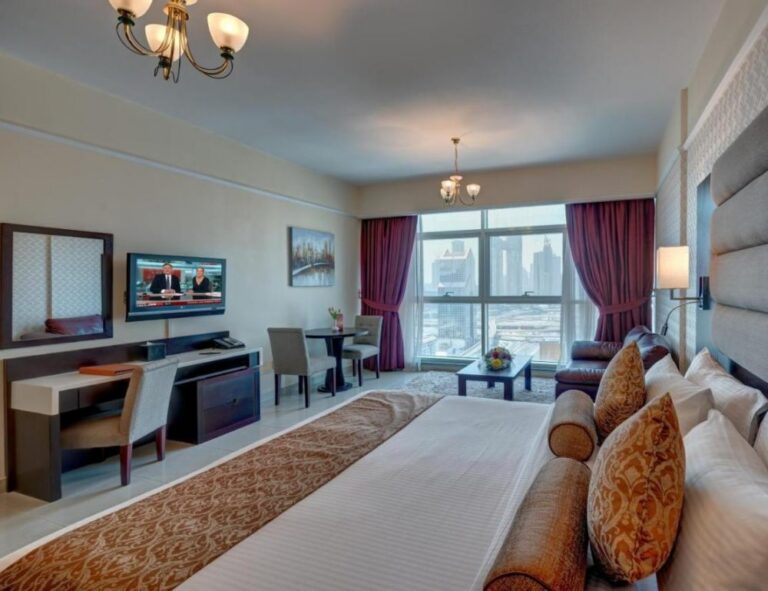
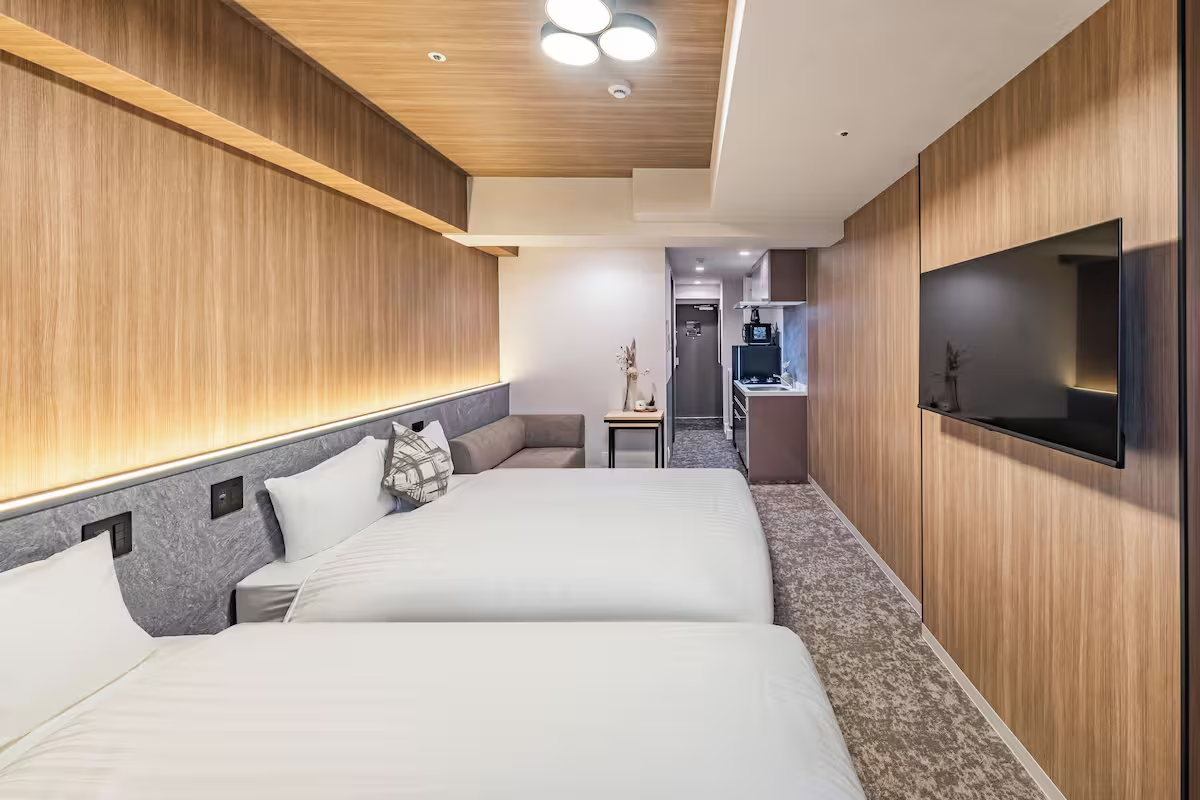
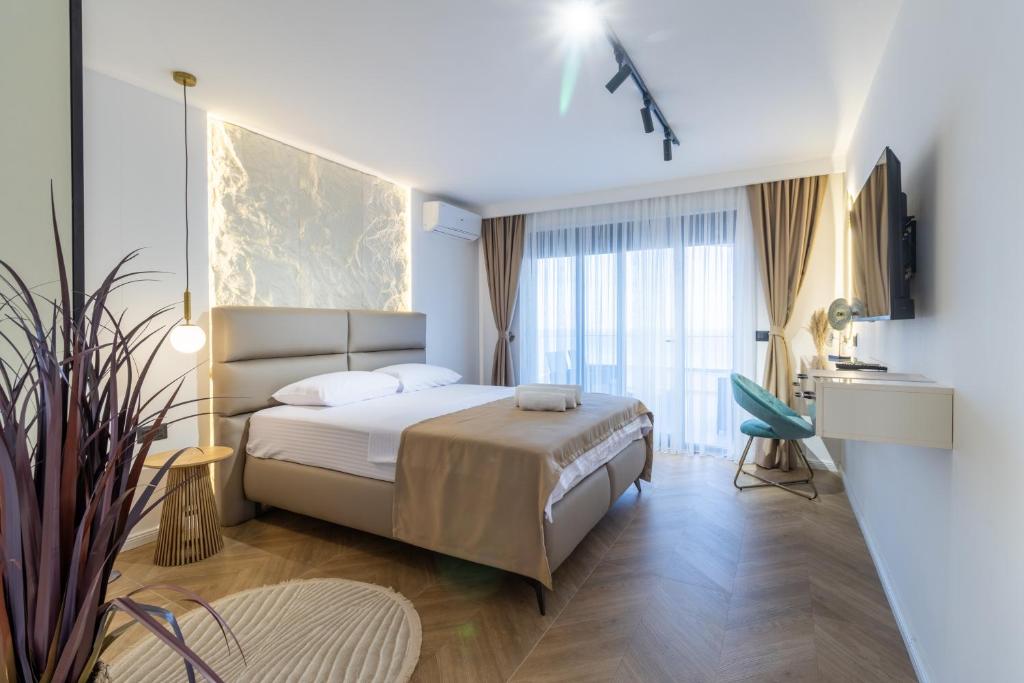
True professional evaluation demands analyzing how physical architecture intersects with property management. Properties that achieve top-tier status rely on robust acoustic isolation and resilient material finishes. Consequently, evaluators must look past promotional photography. They must assess structural soundproofing and mechanical maintenance responsiveness. Ultimately, misjudging these architectural factors leads to high cognitive friction and sleep schedule fragmentation.
Deep Contextual Background
Historically, the American real estate market operated within strict binary categories. Residential leases required tenants to furnish units independently and commit to twelve-month contracts. Conversely, the hospitality sector prohibited permanent residency while offering daily room cleaning.
Subsequently, the decentralization of professional work permanently disrupted this traditional segregation. Mobile professionals requiring stays ranging from thirty days to one year found themselves penalized by both systems. Breaking residential leases incurred severe financial penalties, while staying in hotels became fiscally prohibitive. Therefore, real estate developers engineered purpose-built hybrid assets. This market matured into a sophisticated sector bridging residential autonomy with professional hospitality management.
Conceptual Frameworks and Mental Models
Successfully evaluating premier intermediate-stay assets requires deploying rigorous analytical frameworks.
1. The Domestic-Hospitality Equilibrium Index
This mental model evaluates the balance between private residential autonomy and institutional service support. Properties leaning too far toward hospitality eliminate personal culinary freedom. Conversely, those leaning toward standard leases lack maintenance responsiveness. Top-tier properties calibrate this index to match occupant behavioral patterns.
2. The Infrastructure Load and Turnover Ratio
Serviced apartments experience high turnover velocity compared to standard residential buildings. This model calculates the durability of custom millwork and appliance suites against incoming and outgoing occupancy frequencies. Thus, it ensures long-term structural longevity.
3. The Regulatory and Zoning Duality Framework
Urban aparthotels often operate in a legal gray zone between residential zoning and commercial hospitality licensing. This framework assesses a property’s compliance with municipal fire safety codes and short-term rental occupancy regulations.
Key Categories and Operational Variations
The landscape of hybrid serviced housing comprises several distinct structural archetypes.
| Property Category | Structural Architecture | Primary Target Market | Operational Trade-off |
| High-Rise Corporate Towers | Steel-frame vertical cores | Enterprise relocation cohorts | Standardized interior design |
| Boutique Adaptive Reuse | Historic structural shells | Culture-seeking executives | Higher monthly tariffs |
| Waterfront Aparthotel Flags | Mixed-use coastal developments | Leisure travelers | Saltwater corrosion exposure |
| Branded Residential Suites | Premium square footage | Ultra-high-net-worth individuals | Prohibitive cost structure |
| Suburban Executive Complexes | Low-density timber clusters | Medical fellows and families | Geographic isolation |
| Co-Living Serviced Blocks | Private micro-suites | Early-career tech professionals | Shared social friction |
Realistic Decision Logic
When mobility managers compare monthly serviced apartment options, selecting an appropriate category requires aligning duration with professional requirements. For corporate teams deployed to major business districts, high-rise corporate towers offer reliable enterprise infrastructure. Conversely, medical fellows and relocating families benefit from suburban complexes. Here, expansive parking and quiet environments balance individual privacy. Therefore, planners must weigh these structural trade-offs against budgetary limits.
Detailed Real-World Scenarios
1. The Corporate Restructuring Relocation
A financial firm relocates six senior analysts for a four-month project in Chicago. The firm leases a block of serviced apartments in a high-rise tower. However, choosing a property situated above a major transit construction zone exposes analysts to constant daytime noise.
2. The Medical Fellowship Multi-Month Stay
A surgical fellow secures a six-month residency placement in Seattle, requiring pristine environmental hygiene. The fellow selects a boutique serviced apartment featuring sound-isolated bedroom wings. Conversely, failing to verify fiber network redundancy leads to recurring video conferencing failures during remote medical consultations.
3. The Digital Nomad Family Transition
A remote professional family embarks on a three-month urban exploration across San Francisco. They occupy a two-bedroom aparthotel suite overlooking the bay. Crucially, committing to a property with an undersized hot water heater results in continuous hot water exhaustion during morning showers.
4. The Engineering Project Deployment
An engineering firm deploys four technical specialists to an industrial sector in Atlanta for five months. The firm houses the team in an extended-stay complex offering secure parking for heavy vehicles. Reliable property-managed maintenance ensures appliance failures are resolved within hours, preventing disruption.
Planning, Cost, and Resource Dynamics
The economic viability of serviced apartments depends on managing complex cost distributions.
-
Direct Financial Outlays: Serviced apartments carry higher upfront monthly rates than standard residential leases, reflecting inclusive utilities and housekeeping.
-
Ancillary Cost Reductions: Bundling utilities, gym memberships, and weekly cleaning into a single tariff eliminates fragmented startup costs associated with traditional leases.
-
Opportunity Costs: Committing to fixed-term contracts without negotiation flexibility can lock organizations into paying for unutilized square footage.
| Cost Dimension | Standard Residential Lease | Standard Serviced Apartment | Luxury Branded Suite |
| Lease Duration Term | 12 Months (Rigid penalties) | 30 Days to 1 Year (Flexible) | Variable (Nightly or weekly) |
| Utility and Wi-Fi Setup | Separate accounts required | Fully inclusive in rate | Fully inclusive with speeds |
| Housekeeping Services | Tenant-managed hiring | Included weekly or bi-weekly | Daily hotel-style service |
| Initial Capital Outlay | Furniture purchase, deposit | Zero (Turnkey furnished) | Zero (Ultra-luxury fit-out) |
Tools, Strategies, and Support Systems
Executing successful intermediate-stay arrangements requires integrating specialized technological support instruments.
-
Aggregator Platforms: Specialized booking engines allow mobility managers to compare monthly serviced apartment options based on lease flexibility.
-
Maintenance Portals: Integrated software applications enable occupants to report plumbing or electrical issues directly with photo uploads.
-
Encrypted Access Keys: Smartphone-enabled digital room keys streamline arrival and allow property managers to update access permissions remotely.
-
Invoice Consolidators: Enterprise software tools aggregate multi-unit housing expenses across regional portfolios into single monthly billing statements.
-
Workspace Assessment Guides: Digital checklists verify desk heights and seating posture support before corporate check-in.
-
Neighborhood Curation Apps: Digital guides highlight grocery delivery and fitness centers within walking distance.
Risk Landscape and Failure Modes
Serviced apartment living faces unique operational vulnerabilities.
-
Spatial Misrepresentation: Promotional photography utilizing wide-angle lenses frequently exaggerates room dimensions, leading to occupant disappointment upon arrival.
-
Inadequate Acoustic Isolation: Thin floor slabs allow neighbor noise to disrupt sleep schedules and professional duties.
-
Maintenance Response Latency: Properties relying on outsourced maintenance providers often experience delayed repairs for broken HVAC systems.
-
Hidden Fee Structures: Contracts appearing comprehensive on the surface may exclude electricity consumption caps or departure cleaning fees.
-
Regulatory Vulnerabilities: Properties operating in zones with strict short-term rental prohibitions face sudden closure risks.
Governance, Maintenance, and Long-Term Adaptation
Maintaining asset quality across serviced apartment portfolios requires continuous administrative oversight.
-
Quarterly Preventive Maintenance Audits: Systematic inspections evaluate HVAC filters, plumbing supply lines, and electrical panel loads across all units.
-
Housekeeping Quality Control Reviews: Periodic spot-checks ensure linen sanitation and surface disinfection protocols between occupant turnovers.
-
The Layered Operational Checklist:
-
Life-Safety Inspection: Test smoke detectors, carbon monoxide monitors, and emergency lighting.
-
Appliance Lifecycle Review: Assess operational hours of commercial dishwashers to schedule preventive replacements.
-
Network Infrastructure Testing: Monitor Wi-Fi router bandwidth performance across occupancy peaks.
-
Security Access Audit: Review digital access logs and purge expired cryptographic keys.
-
Measurement, Tracking, and Evaluation
-
Leading Indicators: Pre-arrival communication responsiveness and initial check-in friction metrics serve as early quality signals.
-
Lagging Indicators: Occupant satisfaction scores and maintenance ticket resolution turnaround times measure long-term success.
-
Documentation Standards: A comprehensive digital ledger tracks historical maintenance issues and occupant feedback trends.
-
Benchmarking Analysis: Regular comparisons against traditional residential benchmarks identify emerging service gaps.
Common Misconceptions and Oversimplifications
-
“Serviced apartments are identical to extended-stay hotel rooms.” Serviced apartments offer significantly larger square footage and multi-room layouts.
-
“All utilities are always included in the base rate.” Certain operators separate electricity consumption and parking into additional monthly fees.
-
“Serviced apartments lack tenant legal protections.” Depending on state jurisdiction and lease duration, statutory tenant rights may still apply.
-
“Cooking facilities are purely decorative.” Top-tier properties provide full-scale kitchens equipped with dishwashers and ovens.
-
“Short-term rentals and serviced apartments are interchangeable.” Serviced apartments are institutional commercial assets managed professionally.
-
“Housekeeping frequency cannot be customized.” Most professional operators allow occupants to adjust cleaning schedules to suit privacy preferences.
Ethical, Practical, and Contextual Considerations
Operating hybrid residential assets carries profound responsibilities regarding physical accessibility and legal transparency. Operators must ensure building configurations comply with universal design standards, accommodating wheelchairs without architectural barriers. Furthermore, sustainable operational practices protect environmental integrity across institutional portfolios. Maintaining absolute transparency with consumers regarding actual square footage ensures ethical standards across the sector.
Conclusion
The structural evolution of hybrid residential assets reflects a shift toward flexibility and professional institutional management. By synthesizing residential space planning with hospitality service layers, the options explored when you compare monthly serviced apartment options provide a resilient blueprint for modern human mobility. Success requires moving past marketing claims to master spatial zoning and operational governance. Through rigorous planning and intellectual honesty, stakeholders can establish enduring environments supporting sustainable long-term living.