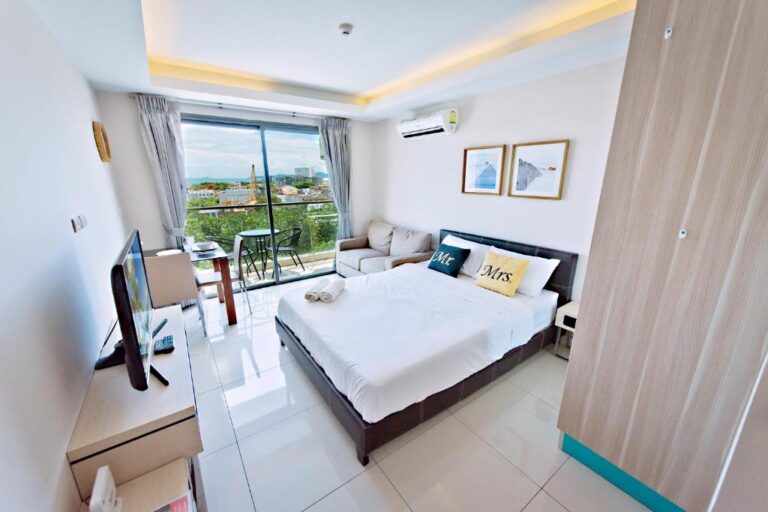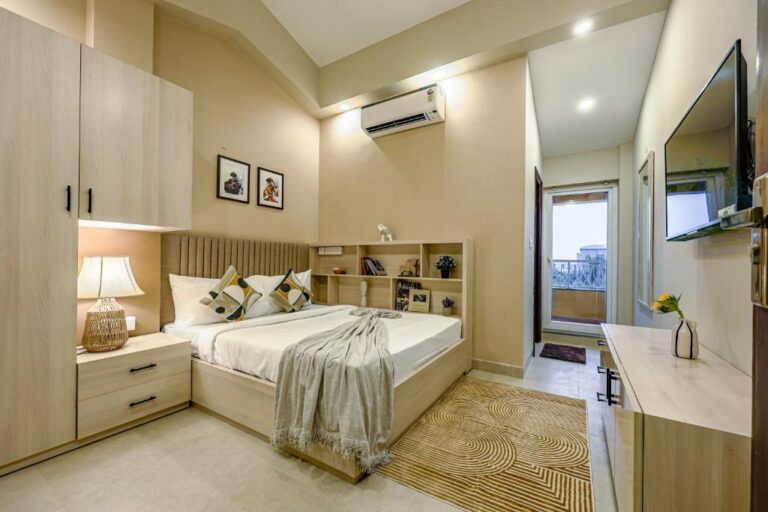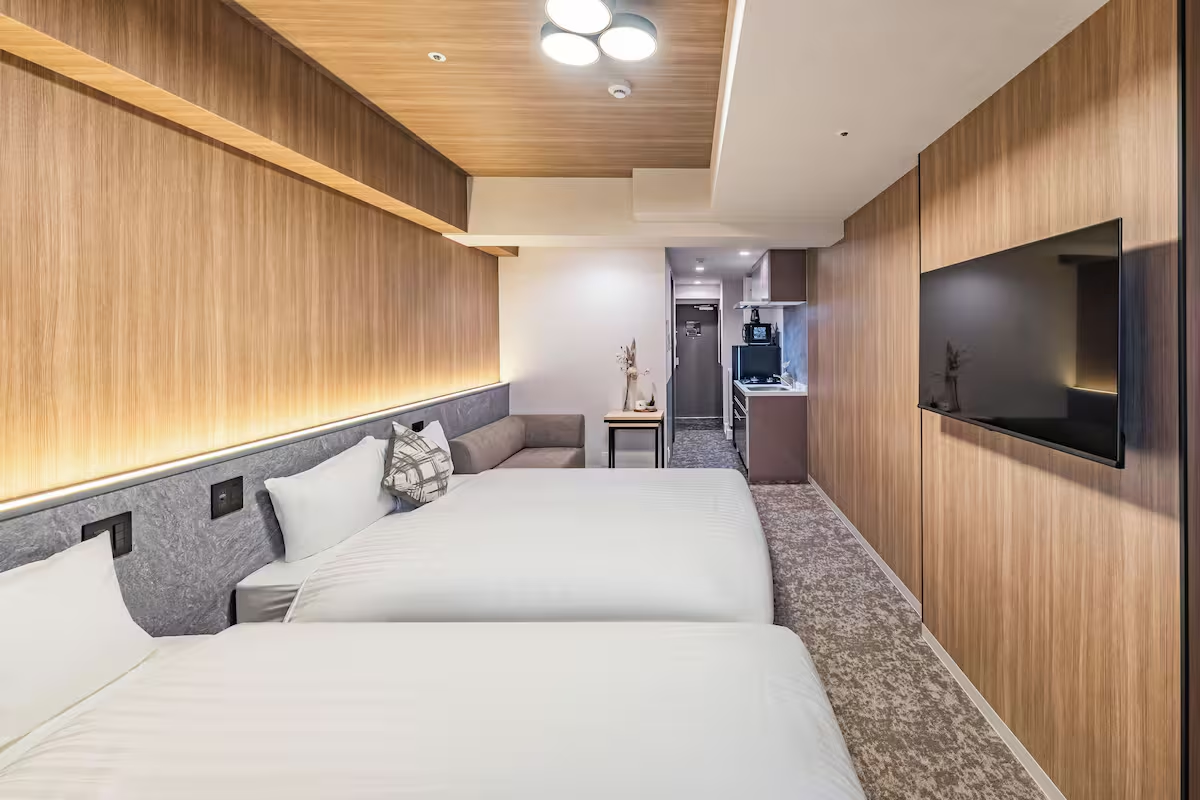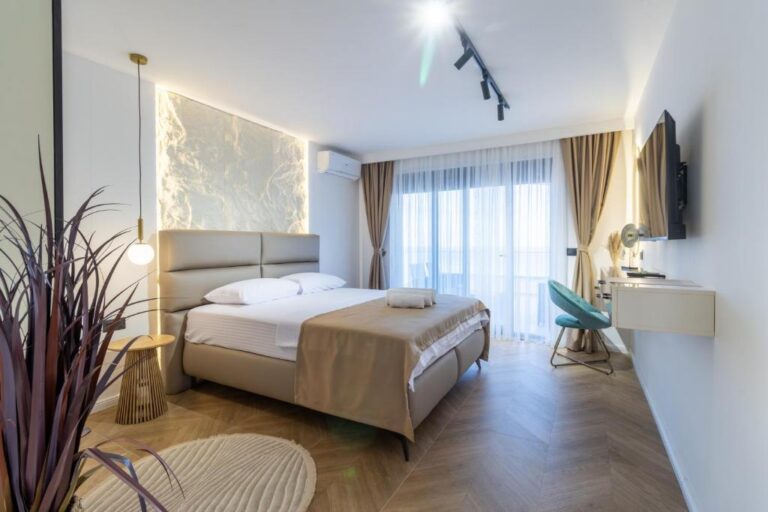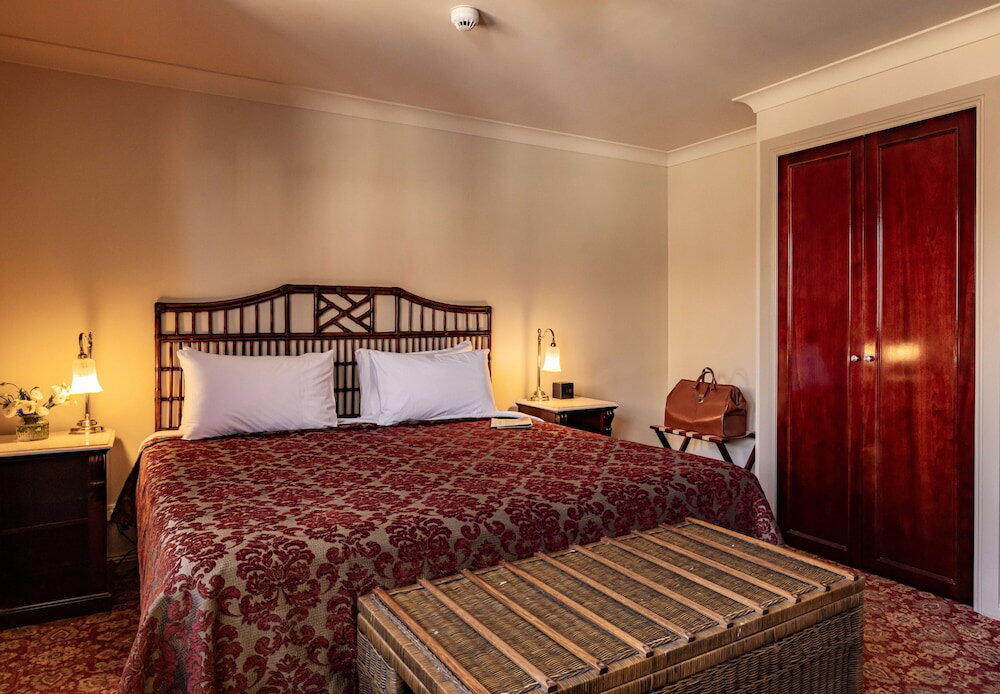
Top Rated Executive Suite Plans: Master Corporate Extended-Stay
The globalization of corporate leadership has fundamentally altered intermediate-duration executive housing. Historically, traditional real estate maintained a rigid binary between commercial leases and luxury hotel hospitality. Corporate headquarters secured separate residential blocks for incoming leadership. Meanwhile, traveling executives endured fragmented hotel stays that lacked domestic infrastructure and secure network environments. As cross-border deployments expanded, this legacy split generated acute operational friction and leadership fatigue.
Therefore, professionally managed hybrid aparthotels and corporate residential towers have resolved this tension. When corporate mobility directors evaluate top rated executive suite plans, they must look past promotional marketing brochures. True evaluation demands an inspection of enterprise-grade cybersecurity routing, acoustic zoning, and master-service billing agreements. Whether an asset manager assesses portfolio flexibility or a chief operations officer coordinates housing, understanding these mechanical realities is essential.
Navigating this asset class demands an exhaustive reference manual. The following analysis provides a rigorous breakdown of structural classifications, cost distributions, and long-term administrative governance.
Understanding “Top Rated Executive Suite Plans”
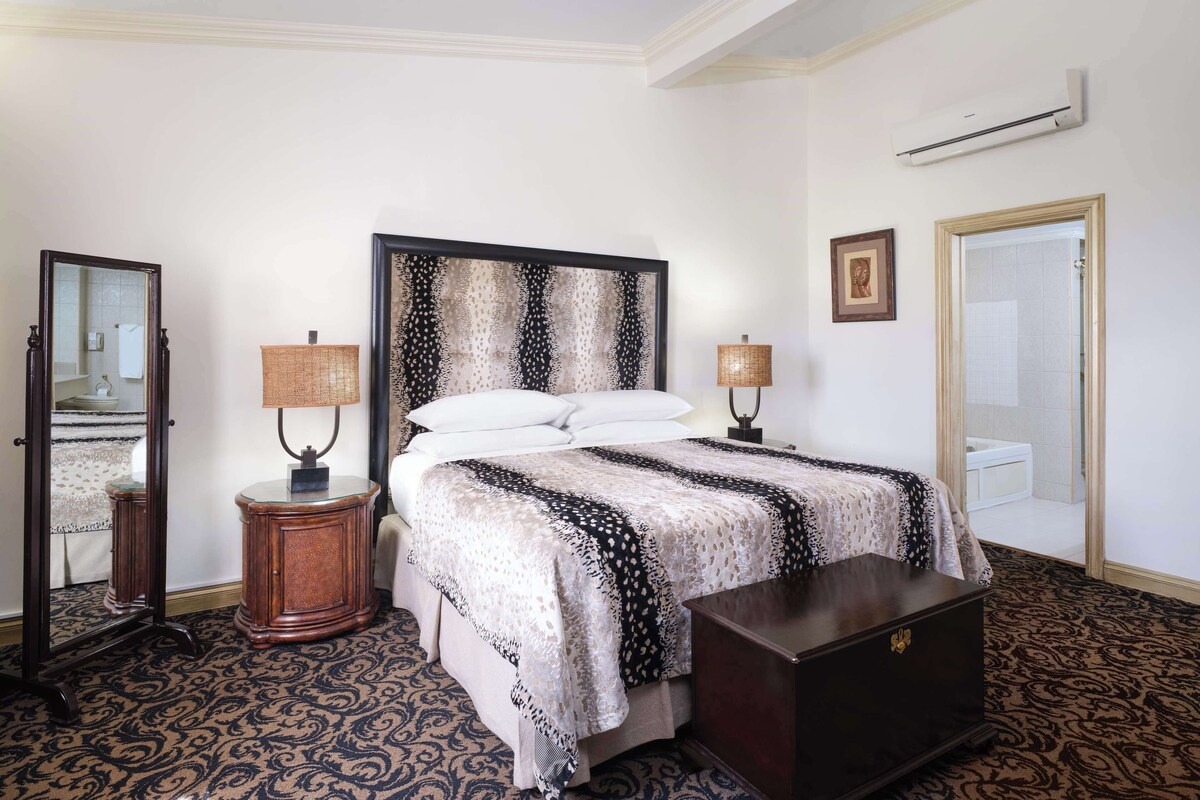
Semantic Ambiguity and Typological Fragmentation
To effectively evaluate top rated executive suite plans, corporate analysts must navigate profound semantic ambiguity. Market participants frequently conflate traditional luxury hotel suites and multi-family sublets under a single heading. Consequently, this obscures massive variances in lease flexibility, security clearances, and IT infrastructure. Furthermore, a common misconception assumes high guest review scores correlate directly with operational readiness. Therefore, analysts must account for micro-level variables like dedicated firewall integration and acoustic isolation.
Structural Reliability Over Promotional Imagery
True professional evaluation demands analyzing how physical architecture intersects with property management. Properties that achieve top-tier status rely on robust structural soundproofing and resilient material finishes. Consequently, evaluators must look past promotional photography. They must assess structural network reliability and mechanical maintenance responsiveness. Ultimately, misjudging these architectural factors leads to high cognitive friction and leadership disruption.
Deep Contextual Background
Historically, the corporate real estate market operated within strict binary parameters. Leadership relocations required executing twelve-month residential leases through local brokers. Conversely, transient business travel relied entirely on standard hotel rooms.
However, as global commerce accelerated and project-based restructuring became standard, this legacy model proved inefficient. Executives deployed for regional system integrations required fully functional domestic spaces combined with secure work environments. Real estate developers responded by engineering purpose-built hybrid assets featuring private offices and fiber connectivity. Over subsequent decades, this market matured into a sophisticated sector bridging executive autonomy with institutional security management.
Conceptual Frameworks and Mental Models
Successfully evaluating executive intermediate-stay assets requires deploying rigorous analytical frameworks.
1. The Executive Productivity and Privacy Equilibrium Index
This mental model evaluates the balance between domestic comfort and professional isolation. Properties leaning toward standard hospitality lack the acoustic privacy necessary for confidential discussions. Conversely, those modeled after boardrooms lack domestic rest facilities. Top-tier properties calibrate this index to match exact workflow requirements.
2. The Infrastructure Load and Turnover Ratio
Executive suites experience high turnover velocity driven by project completion cycles. This model calculates the structural resilience of custom millwork and presentation hardware against intensive operational demands. Thus, it ensures long-term asset performance.
3. The Cybersecurity and Network Isolation Framework
Executive suites concentrate sensitive corporate data traffic across shared urban telecommunication nodes. This framework assesses a property’s capacity to execute dedicated VLAN routing and hardware-level firewalls. Consequently, it prevents unauthorized external data interception.
Key Categories and Operational Variations
The landscape of hybrid executive suite housing comprises several distinct structural archetypes.
| Property Category | Structural Architecture | Primary Target Market | Operational Trade-off |
| High-Rise Corporate Towers | Steel-frame vertical cores | C-suite relocation cohorts | Elevator congestion; rigid rules |
| Boutique Adaptive Reuse | Historic structural shells | Venture partners, tech founders | Higher monthly tariffs |
| Suburban Executive Estates | Low-density timber clusters | Regional vice presidents | Geographic isolation |
| Branded Hospitality Penthouses | Premium vertical square footage | Board chairs, visiting investors | Prohibitive cost structure |
| Co-Living Executive Blocks | Private micro-suites | Strategy consultants | Minimal private square footage |
| Diplomatic Suites | Fortified perimeter security | Government attachés | Strict vetting protocols |
Realistic Decision Logic
When corporate mobility directors search for top rated executive suite plans, selecting an appropriate category requires aligning executive rank with professional requirements. For managing directors deployed to financial hubs for market entry, high-rise corporate towers offer necessary operational support. Conversely, regional vice presidents managing industrial sites benefit significantly from suburban estates. Here, expansive parking and quiet environments balance individual privacy with site proximity. Therefore, planners must weigh these structural trade-offs against budgetary limits.
Detailed Real-World Scenarios
1. The Financial Merger Executive Relocation
A global banking institution relocates a senior managing director and an advisory team for a six-month merger in New York. The team selects a high-rise executive tower advertised with secure conference facilities. However, an unencrypted public Wi-Fi router in the shared lounge compromises preliminary data transmissions, illustrating the critical necessity of dedicated hardware firewalls.
2. The Tech Founder Multi-City Expansion
A technology founder establishes a secondary regional headquarters in San Francisco, requiring a three-month operational base. The founder selects a boutique aparthotel featuring custom acoustic wall panels and dedicated fiber lines. Crucially, failing to verify that backup generators support HVAC systems during power grid fluctuations leads to conference call disruptions.
3. The Energy Sector Project Deployment
An energy conglomerate deploys a senior project director to an industrial corridor in Houston for a nine-month overhaul. The director occupies a secure executive suite offering private garage parking. However, committing to a property with restrictive guest visitation policies creates administrative friction when regional contractors visit for evening strategy sessions.
4. The Healthcare System Executive Transition
A health system appoints a new chief medical officer for a twelve-month hospital turnaround in Chicago. The officer selects a branded residential penthouse suite offering full concierge services. Responsive property-managed maintenance ensures that any mechanical or technological failures are resolved within hours, preventing administrative downtime.
Planning, Cost, and Resource Dynamics
The economic viability of executive suite plans depends on managing complex cost distributions.
-
Direct Financial Outlays: Executive suites carry premium monthly tariffs reflecting turnkey luxury furnishings, dedicated IT infrastructure, and frequent housekeeping.
-
Ancillary Cost Reductions: Bundling utilities, fiber internet, and private meeting room access into a single master-billed invoice eliminates fragmented startup costs.
-
Opportunity Costs: Committing to rigid executive suite contracts without scaling flexibility can lock organizations into paying for unutilized square footage.
| Cost Dimension | Traditional Corporate Lease | Enterprise Executive Suite Plan | Luxury Hotel Extended Stay |
| Commitment Term | 12 Months (Rigid penalties) | 30 Days to 1 Year (Flexible terms) | Variable (Daily or weekly rates) |
| IT & Security Infrastructure | Tenant-installed independent setup | Enterprise-grade dedicated VLAN/Wi-Fi | Public commercial guest network |
| Billing and Invoicing | Multiple independent utility bills | Master-service corporate billing | Daily room-rate ledger statements |
| Initial Capital Outlay | Furniture procurement, deposits | Zero (Turnkey executive ready setup) | Zero (Transient hospitality setup) |
Tools, Strategies, and Support Systems
Executing successful intermediate-stay arrangements for executive leadership requires integrating specialized technological support instruments.
-
Housing Aggregator Portals: Specialized booking platforms allow mobility directors to filter executive inventory by security clearances and billing compatibility.
-
Digital Access Management: Smartphone-enabled cryptographic room keys and secure elevator permissions restrict floor access to authorized leadership.
-
Encrypted Network Consoles: Software tools allow corporate IT departments to provision secure virtual private networks directly to the suite.
-
Automated Invoicing Systems: Enterprise financial software aggregates multi-unit housing expenses across global portfolios into single monthly statements.
-
Workspace Verification Checklists: Digital protocols used by property operators confirm executive desk height and seating support prior to arrival.
-
Concierge Coordination Portals: Dedicated software channels link arriving leaders with local administrative support and catering services.
Risk Landscape and Failure Modes
Executive suite living faces unique operational vulnerabilities.
-
Cybersecurity Vulnerabilities: Unsecured building management systems can expose corporate executives to data interception and espionage during deployments.
-
Acoustic Compromise: Inadequate soundproofing between adjacent suites can leak confidential strategic discussions, undermining corporate privacy.
-
Infrastructure Failure Points: Properties lacking redundant internet lines or backup power expose leadership to severe downtime during utility outages.
-
Opaque Surcharges: Contracts appearing comprehensive on the surface may exclude high-speed fiber upgrades or meeting room usage fees.
-
Regulatory Compliance Deficits: Properties operating in municipal zones with strict commercial licensing restrictions face sudden closure risks.
Governance, Maintenance, and Long-Term Adaptation
Maintaining asset quality across executive suite portfolios requires continuous administrative oversight.
-
Quarterly Preventive Maintenance Audits: Systematic inspections evaluate HVAC filters, plumbing lines, and conferencing hardware across all units.
-
Cybersecurity Audits: Periodic penetration testing and firewall verification maintain data integrity across property-managed enterprise lines.
-
The Layered Operational Checklist:
-
Life-Safety Verification: Test encrypted keycard coders and emergency egress lighting.
-
IT Stress Testing: Monitor fiber bandwidth throughput and VLAN isolation during peak hours.
-
Appliance Lifecycle Review: Assess operational hours of presentation displays to schedule replacements.
-
Acoustic Inspection: Evaluate wall panel dampening to ensure professional presentation standards.
-
Measurement, Tracking, and Evaluation
-
Leading Indicators: Pre-arrival IT provisioning responsiveness and floor plan dimension disclosure accuracy serve as early quality signals.
-
Lagging Indicators: Executive satisfaction scores and network uptime percentages measure long-term program success.
-
Documentation Standards: A comprehensive digital ledger tracks historical maintenance issues and unit wear patterns across the portfolio.
-
Benchmarking Analysis: Regular comparisons against traditional housing benchmarks identify emerging service gaps.
Common Misconceptions and Oversimplifications
-
“Any luxury hotel suite is suitable for executive leadership.” Most hotel suites lack dedicated private offices and secure enterprise networks.
-
“Executive suites come standard with enterprise-grade cybersecurity.” Many properties rely on consumer-grade guest Wi-Fi lacking hardware-level isolation.
-
“Master-service billing is universally available.” Smaller regional operators often require individual credit card processing rather than corporate accounts.
-
“Acoustic privacy is guaranteed in high-rise towers.” Standard drywall partitions frequently fail to block high-frequency speech.
-
“Short-term executive leases are legally identical to commercial leases.” Intermediate stays often operate under mixed hospitality and residential licensing frameworks.
-
“Administrative support services are included in all packages.” Concierge support varies widely, ranging from key handovers to full administrative assistance.
Ethical, Practical, and Contextual Considerations
Operating hybrid executive residential assets carries profound responsibilities regarding data privacy and legal transparency. Operators must ensure building configurations comply with universal design standards, accommodating diverse executive needs without barriers. Furthermore, sustainable operational practices protect environmental integrity across institutional portfolios. Maintaining absolute transparency with corporate clients regarding spatial dimensions ensures ethical standards across the sector.
Conclusion
The structural evolution of hybrid executive residential assets reflects a shift toward flexibility and operational security. By synthesizing residential space planning with advanced telecommunication infrastructure, the options explored when examining top rated executive suite plans provide a resilient blueprint for modern leadership deployment. Success requires moving past marketing claims to master spatial zoning and programmatic governance. Through rigorous planning and intellectual honesty, stakeholders can establish enduring environments supporting sustainable productivity.