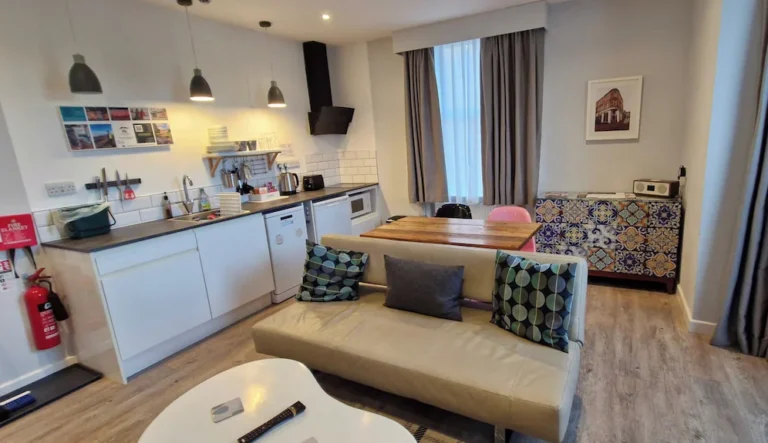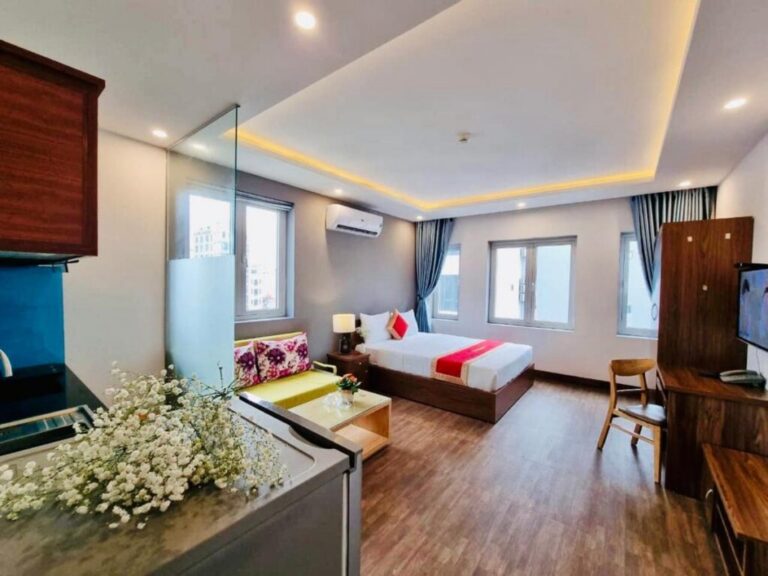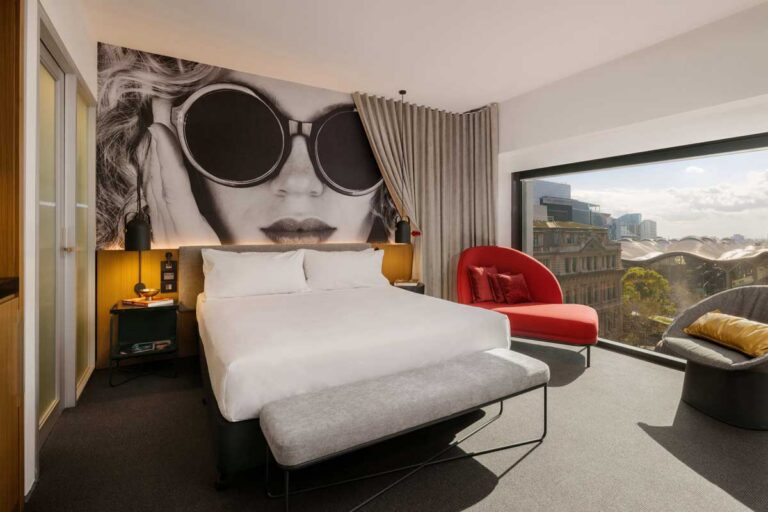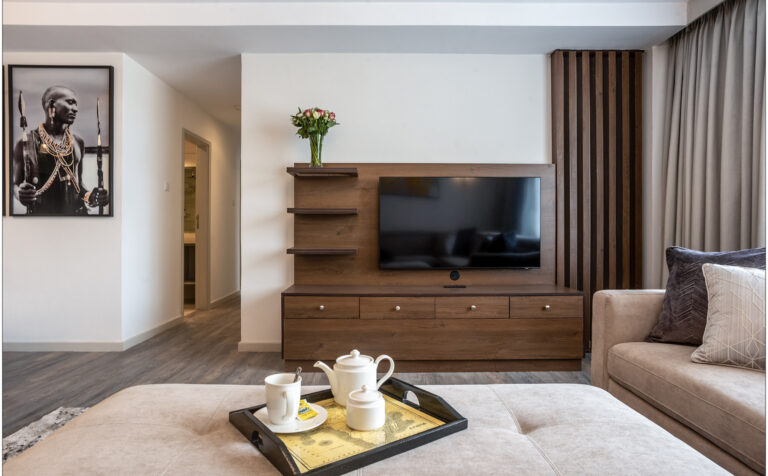
Apartment Hotel Service Plans: Master Extended-Stay Frameworks
Modern professional mobility and global project deployments have fundamentally restructured how extended-stay travelers consume domestic space and hospitality support systems. For decades, corporate lodging operated within a rigid binary framework. Transient hotels offered compressed footprints and high-turnover daily housekeeping services, while traditional residential leases demanded rigid annual commitments and entirely self-managed maintenance. As multi-week consulting assignments, multi-month corporate relocations, and digital nomad lifestyles expand, this binary division creates acute friction. Standard hotel rooms induce psychological fatigue due to minimal square footage and absent culinary facilities. Meanwhile, unmanaged residential apartments impose high operational friction for temporary occupants who must coordinate utilities, appliance repairs, and cleaning schedules independently.
Consequently, hybrid residential hospitality assets have emerged as a dominant force in real estate. Evaluating these options requires moving past promotional marketing to inspect vertical spatial zoning, acoustic engineering, lease flexibility, and operational transparency. Stakeholders must learn how to effectively navigate apartment hotel service plans across multiple market tiers. True professional assessment demands an analytical framework capable of distinguishing genuine asset quality from clever branding. Whether an institutional mobility director manages enterprise housing or an independent traveler plans an extended stay, understanding the systemic mechanics of these properties is indispensable.
Navigating this domain requires a comprehensive reference manual that strips away surface-level distinctions to evaluate economic drivers, spatial strategies, and operational vulnerabilities. The following analysis provides an exhaustive breakdown of the sector, exploring structural classifications, real-world deployment scenarios, cost dynamics, and long-term governance without resorting to simplistic generalities.
Understanding “Apartment Hotel Service Plans”
Semantic Ambiguity and Market Fragmentation
Constructing an accurate strategy to evaluate apartment hotel service plans requires navigating profound semantic ambiguity across global real estate markets. Industry observers frequently conflate traditional extended-stay housekeeping schedules, boutique concierge agreements, corporate housing maintenance packages, and aparthotel operational tiers under a single heading. This conflation obscures massive variances in structural safety, service reliability, and spatial ergonomics. A common misunderstanding assumes that service comprehensiveness correlates directly with high-end cosmetic styling or inflated room tariffs. However, this assumption ignores critical micro-level operational variables. These variables include scheduled linen rotation cycles, preventive engineering maintenance intervals, and digital request tracking responsiveness.
Structural Integrity Over Promotional Imagery
True professional assessment demands analyzing how interior operational support intersects with heavy back-of-house logistics. Properties that achieve dominance across major commercial corridors do so through structural durability, robust enterprise-grade digital connectivity, and flexible tariff structures. Consequently, evaluating top-tier options means looking past promotional imagery to assess service elasticity, mechanical redundancy, and spatial ergonomics. Misjudging these factors leads to high operational friction and diminished productivity for occupants navigating multi-week or multi-month assignments.
Deep Contextual Background
Historically, the real estate industry maintained a strict legal and financial separation between residential housing and commercial hospitality. Residential properties were engineered for permanent occupancy, featuring individual utility metering, extended lease commitments, and minimal daily housekeeping services. Meanwhile, commercial hotels prioritized nightly room rotation. Developers intentionally omitted full-scale kitchens and in-room laundry facilities to protect centralized food-and-beverage revenues and minimize the complexity of vertical plumbing stacks.
The rapid decentralization of corporate America altered this dynamic permanently. The proliferation of large-scale infrastructure deployments, remote professional integration, and mobile working classes disrupted traditional market segregation. Occupants requiring stays ranging from fourteen days to six months found themselves poorly served by either extreme. Traditional residential landlords refused short-term contracts, while standard hotels induced acute financial fatigue and lifestyle friction over extended periods. Consequently, real estate developers and major hospitality conglomerates engineered purpose-built hybrid assets, merging residential square footage with commercial hotel back-of-house operations.
Conceptual Frameworks and Mental Models
Successfully evaluating and categorizing top-tier extended-stay assets requires deploying rigorous analytical frameworks during asset assessment and site selection phases.
1. The Operational Elasticity Matrix
This mental model evaluates how service packages scale based on occupant length of stay. Units where housekeeping and maintenance operate on rigid daily cycles cause severe friction for long-stay occupants. Top-tier properties implement adaptive service tiers, shifting from daily transient servicing to scheduled weekly deep cleaning and proactive maintenance sweeps.
2. The Mechanical Resiliency Coefficient
Unlike standard transient hotels where utilities are used intermittently, extended-stay guests operate dishwashers, in-unit laundry centers, and climate control systems concurrently. This model calculates cumulative peak load demands on vertical plumbing stacks and electrical distribution panels to prevent systemic building degradation during peak occupancy.
3. The Lifecycle Durability-Aesthetic Equilibrium
Hybrid properties experience accelerated physical wear patterns compared to standard hospitality assets due to daily domestic living habits. Consequently, interior materials must balance domestic warmth with heavy-duty commercial rub-count standards to prevent premature renovation cycles.
Key Categories and Operational Variations
The domestic landscape of hybrid accommodations comprises several distinct structural and operational archetypes, balancing capital allocation against target user demographics.
| Property Category | Structural Architecture | Primary Target Market | Operational Trade-off |
| Upscale Corporate Flagships | Standardized multi-room suites, robust loyalty integration | Consulting teams, corporate assignees | Rigid brand standards; lower neighborhood character |
| Boutique Urban Aparthotels | Historic adaptive reuse, custom millwork, local art | Design-conscious travelers, media executives | Higher per-unit build cost; complex servicing logistics |
| Extended-Stay Suites | Highly efficient floor plates, full kitchens | Project engineers, healthcare fellows | Limited communal amenity footprint; high turnover |
| Midscale Extended-Stay Flags | Standardized modular construction, pet-friendly | Value-driven contractors, relocation families | Basic aesthetic finishes; minimal localized concierge support |
| Luxury Branded Residences | Premium square footage, five-star hotel services | C-suite executives, long-term diplomats | Prohibitive nightly tariffs; exclusive inventory availability |
| Co-Living Hybrid Properties | Shared communal kitchens, private micro-suites | Digital nomads, early-career tech professionals | Acoustic spillover risks; intensive community management |
Realistic Decision Logic
When mobility managers evaluate apartment hotel service plans, they must align initial capital requirements or corporate travel budgets with local market realities and length-of-stay velocity. For enterprise deployments in high-cost gateway cities, upscale corporate flagships offer predictable consistency and enterprise billing integration. Conversely, creative project hubs benefit more from boutique urban aparthotels, where localized neighborhood integration fosters higher team morale. Mobility managers must weigh these trade-offs against regional market maturity and project duration.
Detailed Real-World Scenarios
1. The Silicon Valley Engineering Deployment
A major technology firm deploys a forty-person software engineering team to San Francisco for a six-month platform migration. Standard corporate apartments require cumbersome thirty-day security deposits, while traditional hotels lack adequate in-room workspace and secure network infrastructure. Consequently, the mobility director evaluates apartment hotel service plans across the metropolitan area, securing blocks of multi-room suites at a premier extended-stay property featuring dedicated enterprise VLANs and full kitchens. However, selecting a value-tier motel lacking secure IT architecture leads to constant VPN drops and project delays. Ultimately, lost engineering productivity prompts the firm to mandate strict brand-tier minimums.
2. The Healthcare Fellowship Relocation
A regional medical center accommodates rotating surgical fellows for three-month residency blocks. Fellows experience high burnout rates caused by clinical stress and poor living conditions in standard rooms. Therefore, the hospital partners with an upscale aparthotel featuring circadian lighting, heavy acoustic insulation, and full culinary facilities. Crucially, choosing properties with high ambient street noise prevents restorative sleep following overnight shifts. Chronic sleep deprivation among fellows drives turnover, forcing the medical center to subsidize higher-tier quiet-zone accommodations.
3. The Infrastructure Construction Project
An engineering contractor assigns a field supervision team to a two-year transit development project in the Southeast. Project budgets fluctuate seasonally, requiring flexible contract extensions. Therefore, the contractor utilizes a midscale extended-stay flag offering sliding-scale weekly tariffs that discount as length of stay increases. However, committing to rigid multi-month residential leases results in severe financial penalties when project timelines shift, leading to budget overruns that compromise project profitability.
4. The Corporate Executive Relocation
A Fortune 500 retailer relocates a newly appointed Chief Financial Officer to a major headquarters during an extensive home renovation. The executive requires five-star luxury amenities paired with complete domestic privacy. Therefore, the corporate travel desk reviews apartment hotel service plans to select a premier luxury hotel residence combining private residential elevators with full butler and housekeeping services. Conversely, placing executive leadership in standard corporate suites damages company prestige, and compromised executive comfort negatively impacts high-stakes transition performance.
Planning, Cost, and Resource Dynamics
The economic viability of top-tier extended-stay properties depends on managing complex cost distributions spanning direct capital outlays, operational expenses, and opportunity costs.
-
Direct Financial Outlays: Premium extended-stay properties demand higher upfront construction costs driven by commercial-grade appliances, robust acoustic baffling, and multi-zone HVAC infrastructure.
-
Operational Expense Variances: Housekeeping cost structures differ significantly from transient hotels. Daily cleaning is replaced by scheduled bi-weekly or tri-weekly servicing cycles, though deep cleaning upon guest departure requires specialized labor.
-
Opportunity Costs: Allocating valuable square footage to communal co-working lounges reduces immediate rentable room count. Nevertheless, this allocation drives higher long-term average daily rates and extends length-of-stay metrics.
| Cost Dimension | Standard Transient Hotel | Midscale Extended-Stay Flag | Upscale Aparthotel Flagship |
| Average Length of Stay | 1 to 4 nights | 14 to 30+ nights | 30 to 90+ nights |
| In-Unit Culinary Infrastructure | Mini-fridge, coffee maker | Full kitchen (Stovetop, fridge) | Premium kitchen (Convection oven, dishwasher) |
| Housekeeping Frequency | Daily mandatory turnover | Weekly scheduled service | Customized tiered service schedules |
| Ancillary Revenue Streams | High (Room service, mini-bar) | Low (Vending, small pantry markets) | Moderate (Local pantry provisioning, business services) |
Tools, Strategies, and Support Systems
Executing successful extended-stay programs or managing top-tier properties requires integrating specialized technological and operational support instruments.
-
Property Management Systems (PMS): Traditional hotel software struggles with extended billing cycles. Top properties utilize platforms built specifically for hybrid lease-hospitality structures.
-
Enterprise-Grade Bandwidth Management: Unlike consumer routers, premier properties deploy secure, partitioned VLAN architecture to support corporate remote employees handling sensitive intellectual property.
-
Digital Access Control: Streamlining secure guest onboarding for off-hours arrivals reduces front desk labor overhead and enhances security.
-
Preventative Maintenance Software: Automated asset tracking tools monitor appliance lifecycles, such as commercial dishwashers and HVAC filters, to prevent mid-stay failures.
-
Dynamic Revenue Management: Algorithms calibrated for extended-stay length-of-stay pricing curves rather than standard short-term daily rate fluctuations.
-
Corporate Housing Agency Networks: Established intermediaries manage consolidated billing and tax exemptions for long-term stays.
Risk Landscape and Failure Modes
Extended-stay assets and corporate lodging programs face unique operational vulnerabilities that can compromise profitability and guest satisfaction if unmitigated.
-
Regulatory Classification Conflicts: Many American municipalities maintain strict zoning definitions dividing residential apartments and transient hotels. Mismanaging statutory length-of-stay rules can trigger severe municipal code violations.
-
The Amenity Undersizing Trap: Developers often miscalculate square footage required for back-of-house storage and commercial waste disposal, leading to cluttered corridors and operational bottlenecks.
-
Revenue Management Volatility: Blending long-term contracted corporate blocks with short-term transient bookings requires sophisticated dynamic pricing algorithms.
-
Acoustic Contention: Inadequate soundproofing between units compounds quickly when occupants maintain misaligned daily schedules.
-
Appliance Lifecycle Fatigue: Underestimating commercial-grade use in residential-style kitchens leads to premature failure of dishwashers and ranges.
Governance, Maintenance, and Long-Term Adaptation
Maintaining asset quality and operational excellence across premier extended-stay properties requires continuous administrative oversight and structured maintenance protocols.
-
Quarterly Asset Audits: Systematic reviews of high-wear interior elements—such as cabinetry hinges and upholstery fabrics—allow operators to execute preventative repairs.
-
Zoning Compliance Reviews: Monitoring shifting municipal short-term rental regulations ensures properties remain fully compliant with evolving local laws.
-
The Layered Operational Checklist:
-
Mechanical Resilience: Verify HVAC and plumbing load capacities under peak multi-unit cooking scenarios.
-
Digital Security: Audit enterprise network segmentation and access control encryption logs monthly.
-
Service Quality Tracking: Review long-stay occupant feedback loops to identify emerging ergonomic friction points.
-
Energy Efficiency Audits: Evaluate consumption patterns of smart infrastructure to optimize utility costs.
-
Measurement, Tracking, and Evaluation
-
Leading Indicators: Pre-arrival digital onboarding completion rates, initial Wi-Fi speed test logs, and early maintenance ticket response velocity serve as key metrics.
-
Lagging Indicators: Net Operating Income per available room, average length of stay retention curves, and repeat corporate booking percentages measure long-term success.
-
Documentation Standards: Maintaining a comprehensive digital facility ledger tracking historical maintenance costs, guest satisfaction trends, and lifecycle depreciation.
-
Benchmarking Analysis: Regularly comparing performance metrics against broader hospitality indexes gauges competitive positioning within regional markets.
Common Misconceptions and Oversimplifications
-
“All extended-stay hotels are budget motels with a kitchenette.” This misconception ignores massive market bifurcation, overlooking luxury branded residences and high-design urban aparthotels.
-
“Extended-stay guests require fewer staff interactions.” While daily housekeeping is often reduced, extended-stay guests require higher-touch community management and technical assistance.
-
“Standard residential appliances work fine in commercial aparthotels.” Residential-grade refrigerators fail rapidly under heavy utilization patterns typical of transient corporate guests.
-
“Kitchenettes eliminate the need for food-and-beverage revenue.” Innovative operators capture auxiliary revenue through curated local pantry provisioning and neighborhood dining partnerships.
-
“Extended-stay assets are completely recession-proof.” Economic downturns can compress consulting budgets and curtail corporate project deployments despite stable underlying contracts.
-
“Technology completely replaces human concierge services.” Digital automation streamlines logistics, but high-value corporate clients still rely on knowledgeable human staff.
Ethical, Practical, and Contextual Considerations
Operating hybrid accommodations within American urban and suburban centers carries profound community and regulatory responsibilities. Operators must balance commercial yield optimization with neighborhood integration, ensuring that high-turnover transient guests do not disrupt the social fabric of existing residential communities. Additionally, sustainable design practices—such as energy-efficient HVAC zoning and water-conserving laundry systems—minimize environmental footprints over the operational lifecycle. Maintaining transparency with local regulatory bodies regarding transient occupancy tax collection and zoning compliance protects asset owners from systemic friction.
Conclusion
The evolution of hybrid hospitality across the United States reflects a permanent shift in how professionals live, work, and travel. By synthesizing domestic functionality with institutional operational rigor, top-tier extended-stay properties offer a compelling blueprint for real estate development. Success in this sector requires moving past superficial brand rankings to master spatial zoning, digital infrastructure, and asset management. Through careful planning and operational resilience, developers can establish enduring assets that thrive across evolving market cycles.