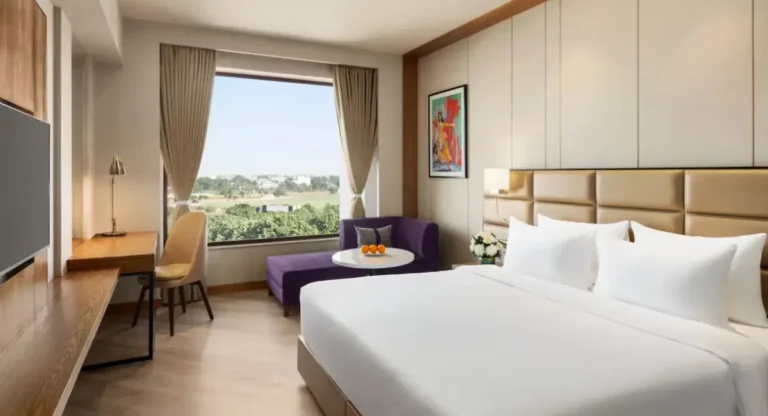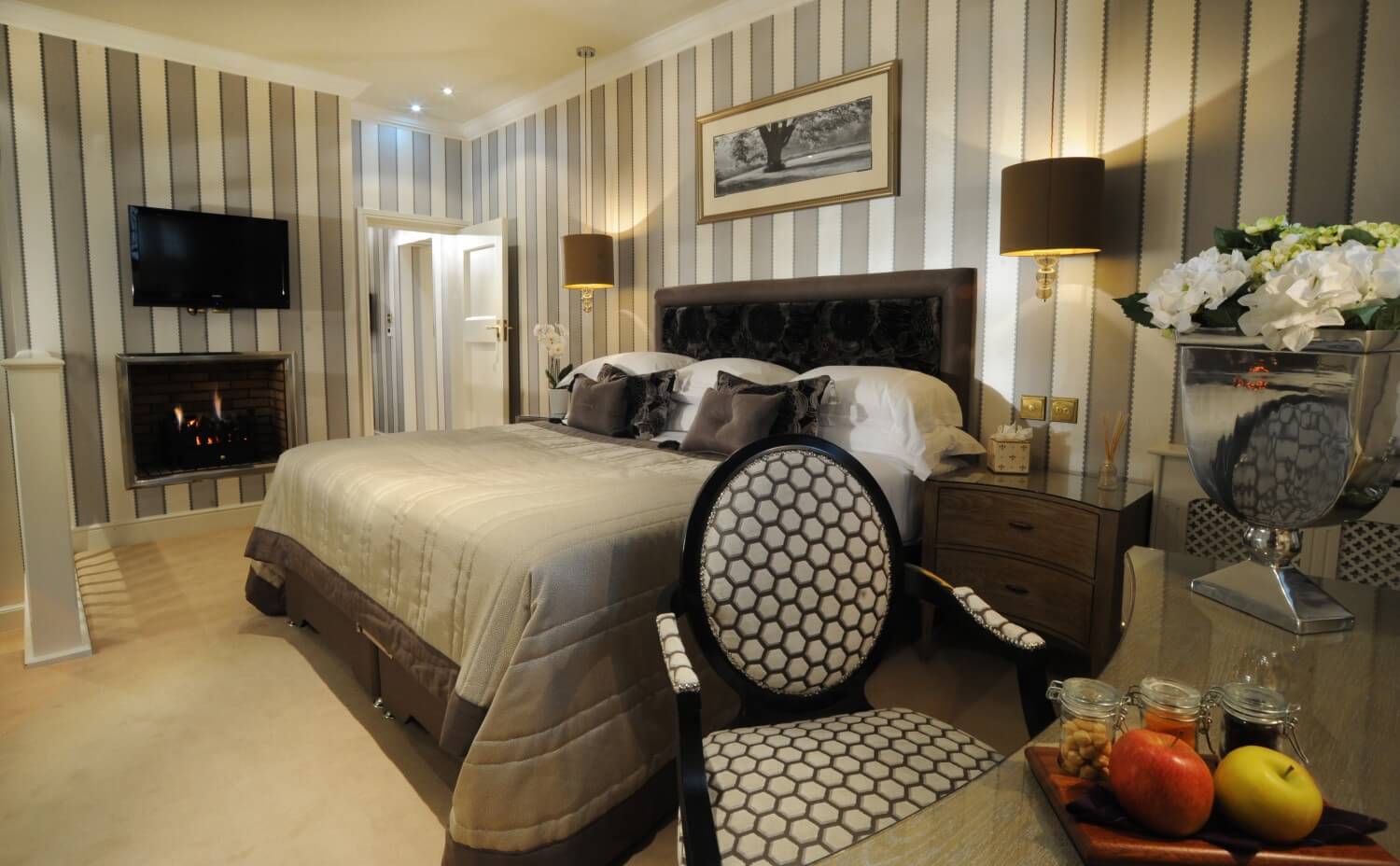
Apartment Hotel Decoration Ideas: Master Extended-Stay Styling
The intersection of intermediate-duration residential mobility and interior design has fundamentally altered how temporary occupants inhabit urban spaces. Historically, travelers and corporate transferees confronted an unyielding aesthetic binary. Traditional hotels enforced sterile, standardized corporate branding that stifled individuality, whereas residential apartments required long-term capital investments in custom furnishings and permanent architectural modifications. When professionals or families occupied hybrid residential assets for periods ranging from thirty days to a year, this structural split generated severe aesthetic alienation, psychological fatigue, and domestic disconnect.
Therefore, professionally managed apartment hotels have emerged to bridge this gap through flexible interior design frameworks and adaptable aesthetic models. However, transforming a neutral, commercialized suite into a personalized domestic sanctuary requires looking far beyond superficial decor trends or promotional marketing brochures displaying glossy throw pillows. When residents, interior stylists, or corporate mobility managers evaluate apartment hotel decoration ideas, they must inspect complex operational and spatial variables. These variables include lease-compliant wall hanging constraints, multi-functional furniture integration, acoustic textile layering, and modular lighting strategies that respect property management covenants.
Navigating this domain demands an exhaustive reference manual that strips away superficial interior design claims to examine systemic decoration challenges, aesthetic safeguards, and institutional property governance. The following analysis provides a rigorous breakdown of extended-stay interior architecture, exploring structural classifications, real-world deployment scenarios, cost distributions, and long-term administrative protocols without resorting to simplistic generalities.
Understanding “Apartment Hotel Decoration Ideas”
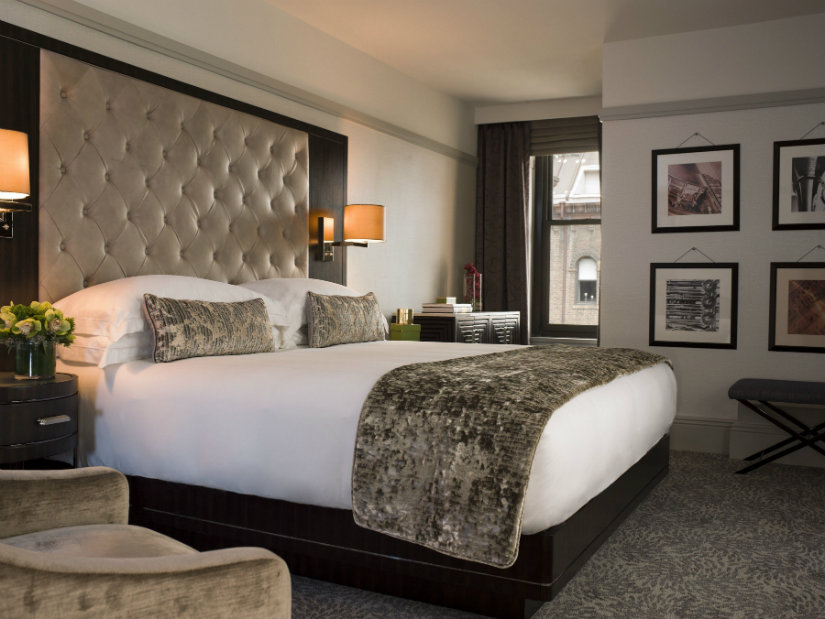
Semantic Ambiguity and Typological Fragmentation
To effectively implement apartment hotel decoration ideas, analysts must navigate profound semantic ambiguity across the commercial real estate, interior architecture, and hospitality sectors. Market participants frequently conflate permanent residential home staging, transient hotel room styling, and serviced aparthotel aesthetic customization under a single classification. Consequently, this obscures massive variances in lease restrictions regarding wall alterations, furniture mobility limits, and security deposit forfeiture rules. Furthermore, a common misconception assumes that temporary residents should accept sterile corporate interiors without personal expression. Therefore, occupants must evaluate micro-level operational variables like damage-free hanging hardware, textile fire safety certifications, and modular lighting placements.
Structural Reliability Over Promotional Imagery
True professional interior styling demands analyzing how physical apartment architecture intersects with property management lease covenants. Properties that achieve top-tier aesthetic harmony rely on neutral architectural envelopes that accommodate temporary personal layers without risking permanent surface damage. Consequently, evaluators must look past promotional marketing claims. They must assess wall finish durability, flooring sensitivities, and built-in millwork versatility. Ultimately, misjudging these architectural and lease constraints leads to high financial penalty risks, security deposit deductions, and strained management relations.
Deep Contextual Background
Historically, the American hospitality and residential sectors operated within strict aesthetic silos. Standard hotels maintained rigid, uniform interior branding managed entirely by corporate hospitality designers, prohibiting any occupant modification. Conversely, traditional residential apartments granted tenants full autonomy to paint walls, drive permanent hardware into studs, and install custom window treatments, reflecting long-term ownership patterns.
However, as intermediate-duration mobility expanded, this legacy model proved unworkable. Transferees and remote professionals occupying properties for several months required a synthesis of personal domestic expression and non-destructive lease compliance. Real estate developers and property operators responded by engineering neutral, high-end interior backdrops equipped with versatile anchor points, modular lighting tracks, and durable finishes. Over subsequent decades, this market matured into a sophisticated sector balancing personal aesthetic autonomy with institutional property protection.
Conceptual Frameworks and Mental Models
Successfully executing interior styling in transitional residential assets requires deploying rigorous analytical frameworks.
1. The Non-Destructive Personalization Index
This mental model evaluates the ratio of emotional domestic comfort achieved to physical lease violations incurred. Properties featuring delicate Venetian plaster or strict lease clauses limit decoration options. Top-tier properties utilize damage-free mounting systems and freestanding accent elements to maximize psychological comfort without risking property damage.
2. The Spatial Volume and Visual Weight Model
Transitional aparthotel suites often feature compact urban footprints. This model calculates the intersection between furniture scale, vertical storage utilization, and textile patterning to prevent visual congestion in multi-functional living spaces.
3. The Acoustic and Thermal Textile Layering Framework
Hard flooring and minimalist architectural surfaces can create acoustic echo and thermal sterility. This framework assesses a resident’s capacity to deploy area rugs, heavy drapery, and upholstered accessories to soften sound transmission and enhance indoor environmental comfort.
Key Categories and Operational Variations
The landscape of hybrid interior decoration comprises several distinct structural and operational archetypes.
| Property Category | Structural Architecture | Primary Decoration Focus | Operational Trade-off |
| High-Rise Corporate Suites | Steel-frame vertical cores | Window framing; vertical textiles | Fixed architectural finishes; strict rules |
| Boutique Adaptive Reuse | Historic structural shells | Highlighting historic brick; accent lighting | Surface sensitivity; fragile plaster walls |
| Suburban Garden Units | Low-density timber clusters | Large area rugs; organic plant displays | Expanded square footage; varied natural light |
| Branded Luxury Penthouses | Premium vertical square footage | High-end art placement; curated styling | Prohibitive cost structure; rigid policies |
| Co-Living Transitional Blocks | Private micro-suites | Compact storage decor; micro-textiles | Minimal floor space; shared visibility |
| Modular Aparthotel Rooms | Flexible partition walls | Freestanding dividers; soft furnishings | Mechanical wear points; layout rigidity |
Realistic Decision Logic
When temporary residents or corporate transferees explore apartment hotel decoration ideas, selecting an appropriate styling approach requires aligning personal aesthetic preferences with lease restrictions. For residents occupying urban high-rise suites with floor-to-ceiling glass, focusing on acoustic drapery and freestanding sculptural lighting provides maximum impact without violating window treatment covenants. Conversely, residents in boutique historic conversions benefit from accentuating original architectural masonry through indirect floor uplighting rather than drilling into fragile plaster. Therefore, planners must weigh these structural trade-offs against lease compliance mandates.
Detailed Real-World Scenarios
1. The High-Rise Wall Damage Penalty
A corporate consultant occupying an urban aparthotel for three months attempts to hang heavy framed artwork using traditional steel nails, directly violating the property lease agreement. Upon check-out, management levies steep drywall repair fines and deducts from the security deposit, illustrating the necessity of utilizing certified damage-free adhesive hanging strips.
2. The Boutique Acoustic Echo Dilemma
A digital nomad relocates to a modern aparthotel featuring polished concrete floors and minimalist minimalist furniture. The lack of soft textiles creates severe audio echo during virtual client presentations, demonstrating that decorative area rugs and upholstered accessories serve both aesthetic and functional acoustical purposes.
3. The Suburban Scale and Proportion Mismatch
A relocating family moves into a suburban aparthotel and introduces oversized bulky furniture pieces from their former permanent home, completely obstructing narrow transitional hallways and blocking natural light vectors. This scenario highlights the importance of selecting appropriately scaled, modular decor elements for temporary footprints.
4. The Temporary Lighting and Atmosphere Transformation
A creative director residing in an extended-stay suite replaces harsh overhead recessed lighting with warm, dimmable floor lamps and amber-toned accent fixtures. This strategic lighting adjustment successfully transforms a sterile commercial hospitality unit into a calming domestic environment without altering permanent electrical wiring.
Planning, Cost, and Resource Dynamics
The economic viability and implementation of interior decoration depend on managing complex cost distributions across temporary asset investments, transportability, and lease compliance penalties.
-
Direct Financial Outlays: Procuring temporary decorative textiles, freestanding storage units, and portable lighting requires targeted capital allocation that must be transportable upon departure.
-
Ancillary Risk Reductions: Investing in damage-free mounting hardware and protective furniture pads prevents costly security deposit forfeiture and lease violation disputes.
-
Opportunity Costs: Over-investing in custom, permanent architectural modifications for a temporary six-month lease results in unrecoverable financial waste and disposal burdens.
| Cost Dimension | Basic Extended-Stay Motel | Managed Aparthotel Styling | Enterprise Executive Suite |
| Textile Customization | Standard commercial hotel linens | Resident-supplied throws and rugs | Luxury custom drapery and bedding |
| Lighting Flexibility | Fixed overhead commercial bulbs | Portable lamps and smart bulbs | Integrated architectural automation |
| Art and Wall Display | Prohibited bare commercial walls | Damage-free adhesive hanging strips | Professional gallery hanging systems |
| Storage Integration | Built-in hotel closet space | Modular freestanding wardrobes | Custom executive credenzas |
Tools, Strategies, and Support Systems
Executing successful interior decoration in transitional residential assets requires integrating specialized temporary styling and mounting tools.
-
Damage-Free Adhesive Hanging Hooks: Engineering-grade hook systems that support framed art and mirrors without penetrating drywall surfaces.
-
Freestanding Room Dividers: Modular folding screens that create visual and functional separation in open-plan aparthotel studio layouts.
-
Battery-Operated Accent Sconces: Magnetic wall lamps that provide sophisticated illumination without requiring hardwired electrical installation.
-
Tension-Rod Drapery Systems: Adjustable spring-loaded rods that mount window treatments inside casing frames without drilling holes.
-
Modular Area Rugs: Durable floor coverings that define functional zones and absorb acoustic bounce on hard flooring surfaces.
-
Lightweight Botanical Displays: Potted indoor plants and dried botanicals that introduce organic texture and vitality without permanent landscape changes.
Risk Landscape and Failure Modes
Extended-stay interior decoration faces unique operational vulnerabilities that can compromise lease standing and financial security if unmitigated.
-
Drywall and Plaster Surface Destruction: Driving unauthorized screws or nails into walls triggers immediate lease violations and high repair deductions.
-
Flooring and Surface Scratching: Moving heavy furniture across unpadded wood or tile floors causes permanent scratching and tenant liability.
-
Fire Safety Code Infractions: Placing unauthorized decorative fabrics near high-heat kitchen appliances or blocking fire sprinkler vectors violates safety regulations.
-
Moisture and Mold Accumulation: Positioning dense furniture against exterior walls without airflow channels can trap condensation and promote mold growth.
-
Aesthetic Clutter in Compact Spaces: Over-decorating small temporary footprints restricts physical mobility and creates psychological stress.
Governance, Maintenance, and Long-Term Adaptation
Maintaining harmonious interior styling across aparthotel portfolios requires continuous administrative oversight and structured tenant adaptation protocols.
-
Initial Lease and Decor Orientation: Systematic review of property decoration rules and approved hanging methods during check-in onboarding.
-
Mid-Stay Condition Inspections: Periodic administrative reviews assessing furniture placement, wall integrity, and textile cleanliness.
-
The Layered Operational Checklist:
-
Wall Integrity Verification: Confirm all art displays utilize authorized damage-free hanging hardware without surface penetration.
-
Textile and Fire Safety Check: Ensure all introduced rugs and draperies comply with local flame retardancy and safety standards.
-
Lighting and Electrical Audit: Verify that portable lamps do not overload circuit capacity or obstruct emergency egress paths.
-
Surface Protection Audit: Inspect felt pads under moveable furniture to prevent hardwood flooring abrasion.
-
Measurement, Tracking, and Evaluation
-
Leading Indicators: Prompt compliance with decoration guidelines, early reporting of space planning adjustments, and proper hardware selection serve as early quality signals.
-
Lagging Indicators: Security deposit return percentages, end-of-stay surface damage repair costs, and tenant satisfaction scores measure long-term styling success.
-
Documentation Standards: Maintaining a comprehensive digital ledger tracking all approved temporary decor additions and furniture inventories across the stay.
-
Benchmarking Analysis: Regularly comparing tenant styling trends against interior design standards to refine future property decoration guidebooks.
Common Misconceptions and Oversimplifications
-
“All temporary aparthotels permit standard picture-hanging nails in drywall.” Most managed properties strictly prohibit wall punctures, requiring specialized adhesive mounting systems.
-
“Interior styling has no measurable impact on remote work productivity.” Thoughtful spatial organization and lighting design directly reduce cognitive fatigue and improve remote work output.
-
“Permanent home furniture can be easily forced into any temporary apartment layout.” Oversized residential furniture frequently overwhelms compact aparthotel footprints, restricting mobility.
-
“Area rugs are purely decorative elements with no functional purpose.” In modern hard-surface aparthotels, rugs are essential acoustic dampeners and thermal insulators.
-
“Lighting cannot be customized in rental suites without electrical permits.” Strategic placement of floor lamps, table lamps, and battery-operated accent fixtures completely transforms ambiance.
-
“Property management ignores minor unauthorized wall alterations upon check-out.” Modern inspection protocols utilize high-resolution imaging to detect minor wall damage, resulting in deposit deductions.
Ethical, Practical, and Contextual Considerations
Operating hybrid transitional residential assets carries profound responsibilities regarding environmental sustainability, material safety, and legal transparency across diverse municipal markets. Property operators must ensure that interior decoration guidelines encourage sustainable, reusable decor elements rather than disposable fast-interior consumption. Furthermore, maintaining respectful adherence to property rules protects the structural integrity of institutional assets. Transparent communication regarding decoration policies, lease compliance, and safety standards ensures ethical harmony across the extended-stay sector.
Conclusion
The structural evolution of hybrid transitional residential assets reflects a permanent, necessary shift toward personal aesthetic expression, spatial flexibility, and professional property management in geographic mobility. By synthesizing neutral architectural backdrops with adaptable personal styling, the strategies examined through apartment hotel decoration ideas provide a resilient blueprint for modern travelers and relocating families. Success in this domain requires moving past superficial design trends to master non-destructive mounting engineering, spatial scaling, and rigorous lease compliance governance. Through patience, intellectual honesty, and an unwavering commitment to structural performance, corporate mobility managers, interior designers, and individual residents can establish enduring environments that support comfortable, personalized extended stays across global economic hubs.