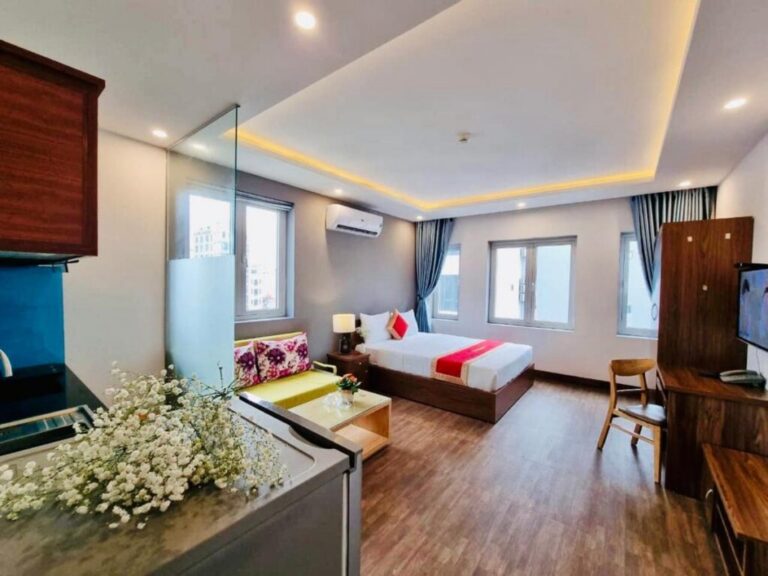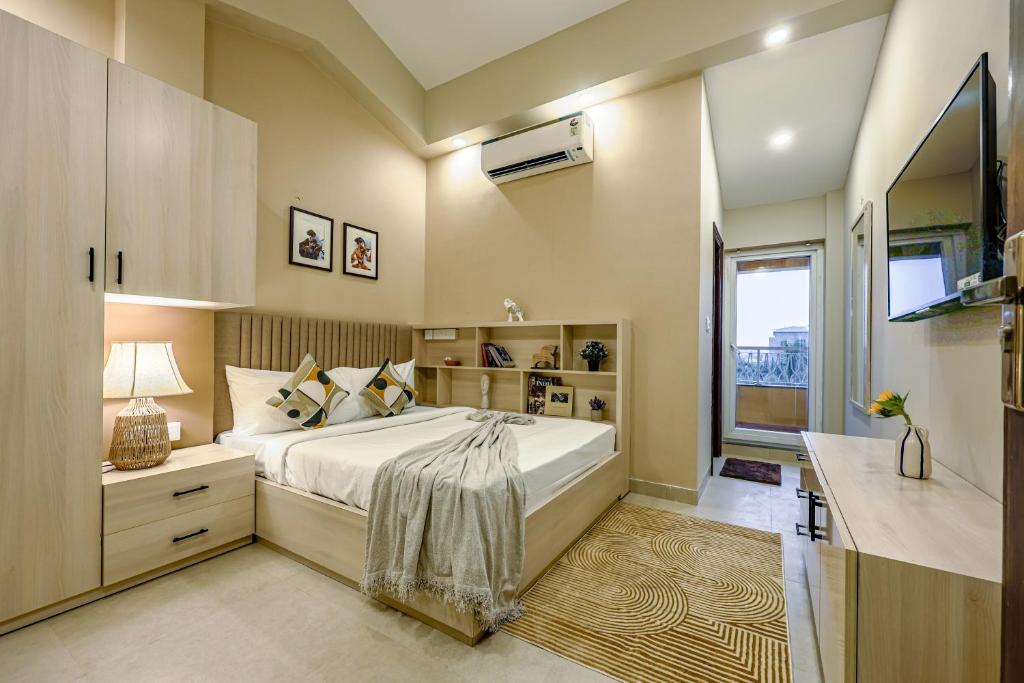
Top Weekly Apartment Hotel Plans: Master Extended-Stay Frameworks
The structural evolution of temporary domesticity reflects a profound transformation in how modern professionals and mobile households consume urban space. For decades, traditional lodging models maintained an unyielding dichotomy. Standard hotels were engineered strictly for transient, high-rotation occupancy, defined by compressed footprints, absolute dependence on centralized dining infrastructure, and a total absence of domestic independence. Conversely, residential leasing markets required rigid multi-month financial commitments, individual utility setups, and burdensome credit vetting. As project-based assignments, remote executive deployments, multi-city consulting engagements, and temporary relocation cycles expanded across key metropolitan markets, this legacy split generated acute spatial fatigue.
Consequently, this operational impasse cemented hybrid aparthotels and serviced residential towers as the definitive infrastructure for intermediate stays. Evaluating this sector requires moving past promotional marketing to inspect vertical spatial zoning, acoustic engineering, and complex service-layer ecosystems. Furthermore, identifying optimal frameworks for navigating top weekly apartment hotel plans demands an analytical approach capable of distinguishing genuine operational reliability from superficial aesthetic offerings. Whether an institutional portfolio manager assesses asset performance or a corporate mobility director coordinates weekly housing, understanding these systemic mechanics remains indispensable.
Navigating this domain requires a comprehensive reference manual that strips away surface-level distinctions to evaluate economic drivers, spatial strategies, and operational vulnerabilities. The following analysis provides an exhaustive breakdown of the sector, exploring structural classifications, real-world deployment scenarios, cost dynamics, and long-term governance without resorting to simplistic generalities.
Understanding “Top Weekly Apartment Hotel Plans”

Semantic Ambiguity and Typological Fragmentation
Constructing an accurate approach to evaluating top weekly apartment hotel plans requires navigating profound semantic ambiguity across global real estate and hospitality distribution networks. Industry observers frequently conflate traditional transient lodging weekly rates, residential corporate sublets, and purpose-built aparthotel packages under a single heading. Consequently, this conflation obscures massive variances in lease protections, housekeeping frequencies, utility inclusion terms, and building security protocols. Furthermore, a common misunderstanding assumes that high weekly price points correlate directly with operational utility. Therefore, analysts must account for micro-level structural variables, including enterprise-grade network throughput, preventive maintenance schedules, and commercial-grade culinary infrastructure across dense urban cores.
Structural Reliability Over Promotional Imagery
True professional assessment demands analyzing how physical infrastructure and back-of-house operational models intersect to support multi-day domestic routines. Properties that achieve dominance in this sector do so through robust acoustic isolation, resilient material finishes, and flexible service configurations. Consequently, evaluating top-tier options means looking past promotional photography to assess structural soundproofing, mechanical ventilation efficiency, and service-layer redundancy. Ultimately, misjudging these architectural factors leads to high cognitive friction, sleep schedule fragmentation, and a compromised relocation or travel experience.
Deep Contextual Background
Historically, the American hospitality industry developed around the needs of the individual business transient and short-term vacationer. Architectural designs prioritized high room counts per floor, centralized dining operations, and minimal in-room plumbing stacks to reduce construction costs and maximize daily turnover. Meanwhile, multi-week travel was largely accommodated through extended stays in standard hotel rooms. However, this makeshift solution suffered from poor acoustic seals, cramped living quarters, and exorbitant cumulative costs. Simultaneously, residential rental markets offered space and kitchens, yet they demanded inflexible annual leases and credit vetting hurdles.
Subsequently, the rapid decentralization of work permanently disrupted this traditional segregation. Mobile professionals began demanding the comforts of home, such as full-scale kitchens and in-unit laundry facilities, combined with the flexible booking terms of commercial hotels. Real estate developers and major hospitality brands responded by engineering purpose-built hybrid assets. Over subsequent decades, this market matured into a sophisticated sector bridging residential autonomy with professional hospitality management, establishing structured weekly frameworks for intermediate stays.
Conceptual Frameworks and Mental Models
Successfully evaluating and categorizing top-tier short-duration residential assets requires deploying rigorous analytical frameworks during site assessment and planning phases.
1. The Circadian Separation Index
This mental model evaluates the acoustic and visual segregation between adult sleeping areas and workspaces within weekly accommodations. Properties where a single open-plan room forces simultaneous sleep and work cycles cause acute behavioral friction. Conversely, top-tier properties implement rigid, sound-isolated bedroom wings and dedicated office alcoves, allowing occupants to maintain evening routines while professional duties persist undisturbed.
2. The Domestic Workflow Efficiency Ratio
Unlike business transients who rely entirely on external dining, weekly guests operate under continuous domestic maintenance demands. This model calculates the proximity and capacity of in-unit culinary, dishwashing, and laundry assets, ensuring that daily chores require minimal spatial and cognitive friction during short-term cycles.
3. The Durability-Safety Equilibrium
Short-duration travel introduces high-frequency physical wear and unique safety hazards, ranging from high-capacity electrical loading to unmonitored balcony access. This framework measures how effectively a property combines commercial-grade material durability with high-safety architectural detailing without sacrificing aesthetic sophistication.
Key Categories and Operational Variations
The domestic landscape of hybrid accommodations comprises several distinct structural and operational archetypes, balancing capital allocation against target user demographics.
| Property Category | Structural Architecture | Primary Target Market | Operational Trade-off |
| High-Rise Aparthotel Towers | Multi-room suites, full kitchens, centralized amenities | Consultants, project teams, mobile executives | Standardized brand aesthetics; corporate feel |
| Boutique Serviced Apartments | Historic adaptive reuse, custom millwork, local design | Culture-seeking professionals, remote founders | Higher weekly tariffs; variable amenity footprints |
| All-Suite Urban Compounds | Low-rise villa layouts, shared courtyards, workspaces | Extended project cohorts, relocation families | Remote geographic locations; transit dependence |
| Extended-Stay Flagged Suites | High-density vertical cores, modular joinery | Weekly business travelers, medical fellows | Limited outdoor green space; urban ambient noise risks |
| Midscale Extended-Stay Units | Modular construction, pet-friendly, budget-aligned | Value-conscious contractors, road-trippers | Basic interior finishes; minimal concierge support |
| Branded Luxury Residences | Premium square footage, five-star hotel services | Ultra-high-net-worth individuals, diplomats | Prohibitive weekly costs; rigid inventory availability |
Realistic Decision Logic
Selecting an appropriate category requires aligning travel requirements with length-of-stay velocity and regional geography. For multi-week consulting deployments or temporary relocations during home renovations, high-rise aparthotel towers and urban compounds offer reliable domestic infrastructure and central transit access. Conversely, specialized project teams benefit significantly from boutique serviced apartments where bespoke workspaces and local community access balance professional routines. Therefore, planners must weigh these structural trade-offs against budgetary limits and specific daily routine requirements.
Detailed Real-World Scenarios
1. The Consulting Project Deployment
A financial advisory firm deploys a team of six consultants for a six-week systems audit in Chicago. The engagement requires private workspaces, high-speed fiber internet, and central urban access, making standard hotel living unsustainable due to lack of desk space and laundry facilities. Consequently, the team secures top weekly apartment hotel plans featuring multi-bedroom layouts and in-unit workstations. However, selecting a property located adjacent to active transit construction zones exposes the team to high daytime noise, illustrating the necessity of acoustic site auditing.
2. The Medical Relocation Transition
A surgical fellow secures a two-month residency placement at a regional medical center in Boston, requiring an immaculate, quiet environment for rest between grueling shifts. The fellow selects an all-suite extended-stay property offering hospital-adjacent proximity and medical-grade air filtration. Conversely, failing to verify the property’s elevator maintenance schedules leads to agonizing delays when transporting personal belongings to upper floors during peak operational hours.
3. The Remote Executive Sabbatical
A technology executive practices remote professional models while spending four weeks in a coastal metropolitan center, requiring robust network security and quiet workspace zones. Consequently, the executive checks into a boutique aparthotel with integrated work alcoves. However, committing to a property with an undersized kitchen water heater results in continuous hot water exhaustion during simultaneous culinary and shower routines, highlighting the importance of mechanical infrastructure audits.
Planning, Cost, and Resource Dynamics
The economic viability and selection criteria for premier weekly properties depend on managing complex cost distributions across direct financial outlays, ancillary savings, and opportunity costs.
-
Direct Financial Outlays: Multi-room apartment hotels carry higher weekly base rates than single transient rooms, reflecting increased square footage and comprehensive in-unit infrastructure.
-
Ancillary Cost Reductions: Preparing meals in full-scale kitchens and utilizing in-unit laundry facilities dramatically reduces daily expenditure on restaurant dining and external laundry services, offsetting higher base tariffs over extended stays.
-
Opportunity Costs: Allocating financial resources to premium weekly properties requires balancing lodging budgets against broader travel and operational experiences, necessitating deliberate financial prioritization.
| Cost Dimension | Standard Hotel Room | Midscale Extended-Stay | Upscale Aparthotel Suite |
| Square Footage | 300–450 sq ft | 400–550 sq ft | 850–1,300 sq ft |
| Culinary Capability | Mini-fridge, microwave | Two-burner cooktop, small fridge | Full kitchen, dishwasher, oven |
| Laundry Access | Ground floor coin-op | Shared laundry room | In-unit washer and dryer |
| Dining Expenditure | High (Daily restaurants) | Moderate (Mixed dining) | Low (Primarily in-suite cooking) |
Tools, Strategies, and Support Systems
Executing successful short-duration travel arrangements requires integrating specialized technological and operational support instruments.
-
Property Filters: Advanced booking platforms isolate inventory based on bedroom counts, kitchen specifications, and in-unit laundry availability rather than generic star ratings.
-
Grocery Pre-Provisioning Apps: Software integrations allow professionals to stock refrigerators with dietary-specific groceries prior to physical arrival.
-
Secure Access Portals: Smartphone-enabled digital room keys allow guests to manage access permissions without physical keycards.
-
Local Concierge Software: Digital guides are curated specifically for professional amenities, medical facilities, and dining within walking distance.
-
Acoustic and Environmental Monitors: Portable noise and air quality meters ensure quiet sleeping environments for travelers in unfamiliar urban settings.
Risk Landscape and Failure Modes
Short-duration travel faces unique operational vulnerabilities that can compromise safety, comfort, and financial investment if unmitigated.
-
Spatial Misrepresentation: Promotional imagery frequently utilizes wide-angle lenses to exaggerate room dimensions, leading to disappointment upon arrival.
-
The Inadequate Acoustic Threshold Trap: Thin floor slabs and uninsulated interior walls allow neighbor noise to trigger disruptions or prevent professional rest.
-
Safety Hazard Overlooks: Unsecured balcony railings, exposed electrical outlets, and lack of window guards in high-rise towers present acute safety risks.
-
Mechanical Under-Capacity: Undersized kitchen appliances, inadequate hot water storage, and weak routers fail under the high-concurrency demands of modern professionals.
Governance, Maintenance, and Long-Term Adaptation
Maintaining asset quality and operational excellence across properties designated for top-tier weekly stays requires continuous administrative oversight and structured protocols.
-
Quarterly Safety Audits: Systematic inspections evaluate balcony locks, stair railings, furniture anchoring, and electrical safety covers.
-
Acoustic Recalibration Reviews: Periodic sound transmission testing between stacked suites ensures noise levels remain contained.
-
The Layered Operational Checklist:
-
Appliance Safety: Test anti-tip brackets on kitchen ranges and child-lock mechanisms on dishwashers.
-
HVAC Air Quality: Replace HEPA filters and clean ductwork to protect sensitive respiratory health.
-
Textile Hygiene: Implement deep-cleaning protocols for upholstered furniture, carpets, and bedding between occupancies.
-
Plumbing Load Testing: Verify high-flow drainage capacity during peak morning usage hours.
-
Measurement, Tracking, and Evaluation
-
Leading Indicators: Pre-arrival guest communication responsiveness, accuracy of floor plan dimension disclosures, and initial check-in friction metrics serve as early quality signals.
-
Lagging Indicators: Net promoter scores from weekly cohorts, repeat booking rates, and maintenance ticket volumes measure long-term success.
-
Documentation Standards: A comprehensive digital ledger tracks historical feedback, room wear patterns, and requested amenity modifications.
-
Benchmarking Analysis: Regular comparisons of satisfaction metrics against traditional resort and hotel benchmarks identify emerging service gaps.
Common Misconceptions and Oversimplifications
-
“Any hotel suite with a microwave qualifies as an aparthotel.” This assumption ignores the critical necessity of multi-room separation and full kitchens.
-
“Apartment hotels are always more expensive than standard rooms.” Cumulative savings on restaurant dining and external laundry make weekly stays highly economical.
-
“Short-term rentals are always superior to aparthotels.” Rentals often lack professional safety standards, 24/7 front desk support, and on-site maintenance.
-
“Kitchen facilities in extended-stay units are rarely used.” Empirical studies demonstrate that in-room cooking is a primary deciding factor for weekly guests.
-
“Weekly rates apply automatically without contractual terms.” Operators often require specific minimum night thresholds and cancellation notice periods to qualify for weekly pricing structures.
-
“Housekeeping is identical across all serviced operators.” Weekly frequency varies widely, with some properties offering daily service and others providing bi-weekly upkeep.
Ethical, Practical, and Contextual Considerations
Operating or selecting hybrid accommodation assets carries profound responsibilities regarding physical accessibility, safety compliance, and socio-economic inclusion. Operators must ensure that configurations comply with universal design standards, accommodating mobility devices and elderly guests without architectural barriers. Furthermore, sustainable operational practices protect vulnerable health and preserve environmental integrity. These practices include non-toxic cleaning products, energy-efficient climate control, and waste reduction programs. Maintaining transparency with consumers regarding actual spatial dimensions and amenity limitations ensures ethical standards across the sector.
Conclusion
The structural evolution of short-duration hospitality reflects a permanent, necessary shift toward integrated domestic flexibility. By synthesizing residential space planning with professional hospitality management, the top-tier assets identified through an evaluation of top weekly apartment hotel plans provide a resilient blueprint for modern human movement. Success in this domain requires moving past superficial marketing claims to master spatial zoning, acoustic engineering, and operational logistics. Through rigorous planning, intellectual honesty, and an unwavering commitment to structural safety, travelers and developers can establish enduring environments supporting harmonious human connection and productivity across metropolitan landscapes.